
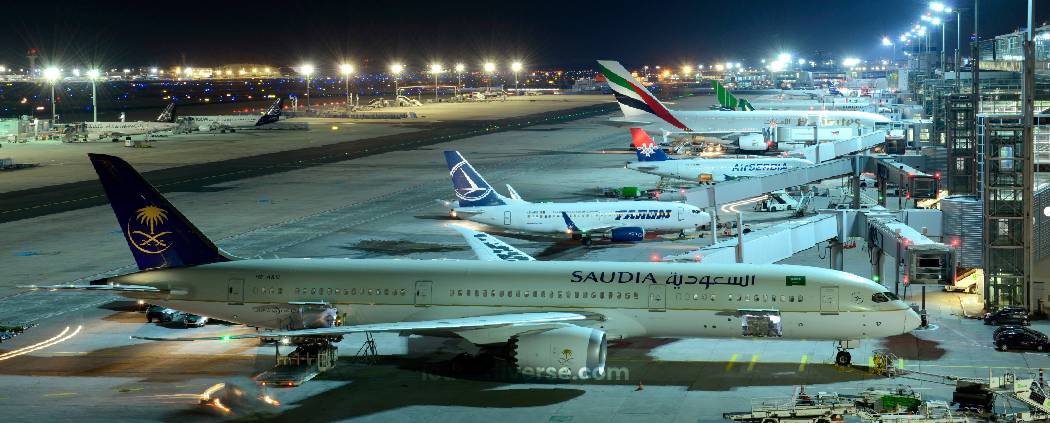
Apron lighting systems are a cornerstone of modern airport infrastructure, supporting aircraft handling, ground vehicle movement, and personnel activity during low visibility conditions. These lighting setups are typically installed in the aircraft parking area and adjacent zones where logistics, refueling, and passenger boarding or disembarkation occur.
A well-designed apron lighting system enhances visibility during night-time operations or adverse weather, ensuring smooth coordination among different ground services. The cost associated with implementing and maintaining such systems involves a range of factors including fixture type, energy consumption, pole infrastructure, installation complexity, and regulatory compliance.
| Component | Estimated Cost Range | Notes |
|---|---|---|
| Lighting Masts (20–50m) | Up to 40% of total system cost | Depends on terrain, wind load, and engineering complexity |
| LED Fixtures | $1,500 – $4,500 per unit | 4–8 fixtures per mast; total cost can reach hundreds of thousands |
| Mounting Systems | Included in luminaire/mast cost | Custom brackets, anti-vibration, and alignment hardware |
| Power Cabling & Electrical Work | $100,000 – $250,000 | Includes trenching, conduits, transformers, and panels |
| Control System Integration | $30,000 – $100,000 | Centralized dimming, zoning, diagnostics, and software integration |
| Surge Protection & Weatherproofing | $20,000 – $70,000 | Includes lightning arresters, sealed enclosures, and corrosion resistance |
| Safety Features | 15% – 25% increase in mast cost | Includes ladders, fall protection, or lowering mechanisms |
Setting up apron lighting systems involves a high initial investment, largely driven by the scale and complexity of airport operations. The size of the apron area, expected brightness levels, and regulatory requirements all influence the extent of this investment. Whether for a small regional terminal or a major international gateway, the capital outlay often represents one of the most resource-intensive aspects of airside development.
A major portion of the budget is allocated to the core lighting infrastructure. This includes high-mast poles, foundational concrete work, power delivery systems, and engineered supports designed to withstand harsh airfield conditions. Tall masts, typically ranging from 20 to 50 meters in height, are used to provide consistent illumination across wide apron zones. These structural elements are not only costly to fabricate but also require specialized labor, heavy equipment, and sometimes even geotechnical assessments prior to installation. The cost of erecting lighting masts alone can account for up to 40% of the total initial investment, with variable pricing depending on soil stability, site accessibility, and wind load ratings.
The luminaires mounted on each mast represent another substantial share of the overall expense. Modern apron lighting utilizes high-performance LED floodlights engineered for high-lumen output and long operational life. Compared to outdated metal halide or sodium vapor alternatives, LED fixtures carry a higher upfront cost but provide consistent color temperature, better beam control, and reduced energy draw.
Each high-output LED luminaire typically ranges from $1,500 to $4,500, depending on wattage, IP rating, and optical precision. Systems frequently require 4 to 8 fixtures per mast to meet international lux requirements and glare control standards. For large aprons, where dozens of masts are needed, total luminaire cost alone can exceed several hundred thousand dollars.
Beyond the lights themselves, apron installations demand durable mounting systems, including tilt brackets, weatherproof housings, and anti-vibration hardware. These components ensure that the lights remain fixed in optimal position despite exposure to strong winds, aircraft engine thrust, or mechanical disturbances. Poles must be engineered to comply with regional structural codes, including earthquake and hurricane resistance in some areas.
Custom-built mounting frames may be used to achieve precise tilt and rotation, aligning beam patterns for maximum ground coverage. This level of engineering detail adds to procurement lead time and cost but ensures long-term fixture stability and optimal lighting performance.
Powering the apron lighting system requires an extensive network of high-voltage cabling, transformers, and distribution panels. Electrical infrastructure must be designed for redundancy to avoid outages that could compromise safety. Underground cabling is commonly used around the airfield to reduce exposure and prevent interference with aircraft movement.
Depending on apron size, cabling alone may stretch over several kilometers, adding $100,000 to $250,000 in material and installation expenses. Trenching, conduit laying, backfilling, and securing access routes must all be factored into the total budget. Cable routing is often affected by existing underground utilities and apron layout, requiring detailed planning and site surveying.
In addition to physical hardware, apron lighting must be integrated into the airport’s electrical grid and control infrastructure. Most systems today are connected to centralized control platforms that allow operators to adjust brightness levels, group lighting zones, and perform system health checks in real-time.
This integration typically involves programmable logic controllers (PLCs), communication hubs, and control software. Depending on the sophistication of the control platform, costs can range from $30,000 to $100,000 or more. These systems enhance operational flexibility, reduce energy waste during off-peak hours, and support diagnostics that minimize unexpected failures.
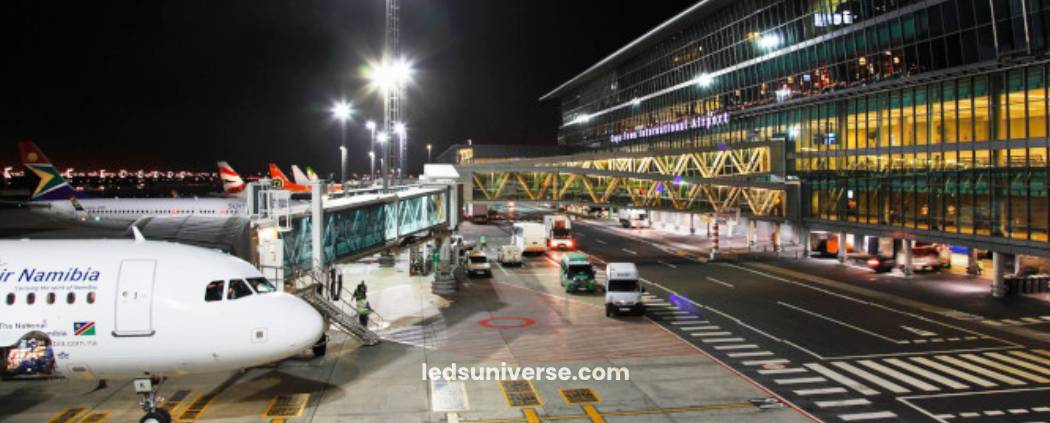
Airside equipment is continuously exposed to challenging environmental conditions, including extreme temperatures, rainfall, humidity, and salt-laden air near coastal airports. To ensure long service life, apron lighting installations are built with weatherproof casings and corrosion-resistant materials. This includes stainless steel enclosures, UV-protected lens materials, and powder-coated surfaces to prevent rust.
Additionally, storm-prone areas must invest in lightning protection systems. Grounding rods, surge suppressors, and shielded cabling are incorporated to protect both the lighting units and control electronics from electrical damage. These precautions can add $20,000 to $70,000 to overall system costs depending on local risk levels.
Apron lighting infrastructure also includes features that support ongoing access and safety during operation and maintenance. This may involve service ladders, anti-fall safety harness points, and lockout mechanisms that isolate electrical circuits during repairs. Airports with high mast systems often require built-in winches or hydraulic lowering mechanisms to simplify fixture servicing.
These features reduce the need for frequent crane rentals or working at height, offering long-term maintenance savings. However, the initial inclusion of such systems increases design complexity and can raise mast costs by 15% to 25%.
| Cost Component | Estimated Range / Value | Details |
|---|---|---|
| Traditional Fixture Power Usage | 2 kW – 3 kW per fixture | Older metal halide or sodium lights |
| LED Fixture Power Usage | 500W – 1000W per fixture | Modern energy-efficient replacement |
| Annual Runtime (Airports) | 1,500 – 5,000 hours | Varies by airport size and location |
| Electricity Rate | $0.12 per kWh | Typical commercial rate for airports |
| Annual Energy Cost (100 kW system) | $48,000 | Based on 4,000 hrs/year usage |
| Annual Energy Cost (250 kW system) | $120,000 | Based on 4,000 hrs/year usage |
| Energy Savings with Control Systems | 25% – 35% | Through dimming, zoning, automation |
| Maintenance Budget Allocation | 5% – 10% of capital cost/year | Includes labor, parts, and inspections |
| Typical Annual Maintenance (for $1M system) | $50,000 – $100,000 | Based on system size and environment |
| Lift/Access Equipment Cost | $1,500 – $3,500 per session | Used for high mast fixture servicing |
| Extra Cost for Lowering Mast Systems | 15% – 25% increase | Improves maintenance efficiency |
| Component Replacement | $200 – $800 per unit | Drivers, lenses, or small electrical repairs |
| 10-Year Energy Cost (150 kW load) | $720,000 | Based on 4,000 hrs/year at $0.12/kWh |
| 10-Year Maintenance Cost (7.5% avg) | $1,125,000 | For $1.5M system |
| Total 10-Year Operating Cost | $1.85 million | Energy + maintenance combined |
Once an apron lighting system is installed and fully functional, it begins to generate recurring operating costs. These ongoing expenses are shaped by several factors including the lighting technology used, system size, operational schedule, climate conditions, and maintenance strategy. Understanding these long-term cost implications helps airport operators manage budgets and optimize system efficiency over time.
Energy consumption forms the foundation of apron lighting’s operational expenses. Traditional high-intensity discharge systems, such as metal halide or high-pressure sodium, often consumed 2 kW to 3 kW per fixture. A lighting pole equipped with six such fixtures could draw up to 18 kW of power. In contrast, modern LED systems are far more efficient. Equivalent illumination levels can be achieved with LED fixtures consuming just 500W to 1000W each. This results in a total load of around 3 kW to 6 kW per pole, reducing power demand by more than half compared to legacy systems.
Energy cost depends not only on wattage but also on operational hours. Apron lights at international airports are frequently used for 4,000 to 5,000 hours annually, especially in regions with long nights or low visibility due to fog or weather. Regional airports with less traffic may only require 1,500 to 3,000 hours of use per year. Taking a 100 kW total lighting load as an example, and using a commercial electricity rate of $0.12 per kWh, an airport operating 4,000 hours per year would face an annual energy usage of 400,000 kWh, resulting in an energy cost of $48,000. Larger systems with a total load of 250 kW would see energy bills approaching $120,000 annually, even with high-efficiency LEDs.
Advanced control systems can significantly lower operational costs by avoiding unnecessary energy use. Features such as occupancy sensing, ambient light monitoring, and scheduled dimming enable the lighting system to adapt to real-time conditions. For example, during late-night hours with low ground activity, some zones can operate at 30% to 50% brightness while maintaining operational safety. Implementing a zonal control strategy can reduce energy use by up to 25% to 35% annually, especially at airports with highly variable traffic throughout the day or across different seasons.
Although LED systems are known for their low maintenance characteristics, they are not entirely maintenance-free. Environmental exposure plays a large role in determining maintenance frequency. Apron lights are exposed to jet exhaust, temperature extremes, fuel residues, and airborne dust, all of which can impair performance and shorten component life. Routine maintenance includes cleaning of lenses and housings several times per year, thermal inspections of heat sinks and driver units, recalibration or replacement of control units, and gasket inspection or resealing. Airports typically allocate between 5% to 10% of the lighting system’s capital value annually for maintenance, replacement parts, and labor. For a lighting system that cost $1 million to install, this translates to an annual maintenance budget of $50,000 to $100,000. Smaller airports with fewer masts and fixtures may operate at the lower end of this range, while larger airports with frequent use and demanding environmental conditions may approach or exceed the upper limit.
Servicing apron lights located on high masts requires the use of specialized equipment. Hydraulic lifts, articulated boom trucks, or lowering mechanisms are commonly employed to safely reach the luminaires. Rental and labor costs for such equipment can add an extra $1,500 to $3,500 per maintenance session depending on fixture location and accessibility. If a mast has a built-in lowering winch system, servicing time and cost may be reduced, although these mechanisms increase the initial installation cost by 15% to 25%.
Despite the reliability of LEDs, occasional component failures, storm damage, or electrical faults can lead to unscheduled repairs. Replacing a damaged driver or lens can cost between $200 to $800 per unit, while addressing wiring faults might incur several thousand dollars in labor and diagnostics. Unexpected failures can also lead to downtime for the affected apron areas, which may disrupt airline schedules or ground operations, especially in hubs with tight turnaround times. To reduce such risk, many airports adopt proactive maintenance schedules and keep critical spares on hand.
Over a projected 10-year lifecycle, a typical apron lighting system may generate total operating costs that equal or even exceed the original capital investment. For example, a mid-sized system valued at $1.5 million might incur annual energy costs of $72,000 based on an average 150 kW load running 4,000 hours per year. This amounts to $720,000 over a decade. Maintenance, assuming an average of 7.5% of the initial cost annually, would total another $1,125,000 over 10 years. Combined, this produces a total 10-year operating cost of $1.85 million, demonstrating how long-term planning and technology selection play a role in overall cost-effectiveness.
Apron lighting systems must adhere to an evolving framework of aviation safety, lighting design, and operational performance standards established by various regulatory authorities. These include international organizations such as the International Civil Aviation Organization (ICAO), as well as country-specific agencies like the Federal Aviation Administration (FAA) in the United States and the European Union Aviation Safety Agency (EASA) across Europe. These standards influence almost every technical and operational aspect of apron illumination, from beam angles and glare minimization to uniformity ratios and redundancy protocols. Failing to meet these requirements can result in delays in certification, operational restrictions, or even penalties, making compliance a cost-bearing priority.
To demonstrate compliance with aviation lighting regulations, airport operators typically engage lighting design consultants or specialist engineering firms. These professionals carry out photometric simulations using software such as DIALux, AGi32, or Visual Lighting to model how light will behave across the apron surface. These simulations are used to prove that the proposed lighting system meets prescribed horizontal and vertical luminance levels, typically exceeding 20 lux with specific uniformity standards. For larger facilities with complex terminal geometries or aircraft parking patterns, this process can cost anywhere from $10,000 to $50,000, depending on the scale and depth of the validation required.
In many jurisdictions, independent audits are mandated to verify that the installed lighting system matches the approved design. These third-party assessments may be conducted by certified airfield lighting auditors, electrical engineers, or regulatory representatives. Fees for these audits often range from $5,000 to $15,000 per site visit and may include post-installation light level measurements, electrical safety reviews, and review of commissioning documents. Repeat inspections might be required if deficiencies are found, driving up total compliance costs further.
Gaining authorization for apron lighting upgrades or new installations frequently involves a series of formal reviews and permits issued by airport authorities and civil aviation bodies. Processing fees can range from $1,000 to $10,000 depending on the jurisdiction, project complexity, and the number of governing agencies involved. In regulated airports, design submissions may be subject to multiple rounds of feedback, requiring revisions and additional coordination between designers, suppliers, and oversight entities. These indirect compliance costs are often overlooked during budgeting but are nonetheless integral to project execution.
 Apron lighting systems also intersect with broader environmental standards that affect airports globally. Governments and airport operators are increasingly attentive to factors such as light spill, skyglow, and carbon emissions. Lighting systems that exceed local brightness limits or cause glare beyond operational areas can provoke public complaints, restrict nighttime operations, or prompt legal action. As a result, airport planners often seek designs that comply with environmental impact assessment (EIA) requirements or contribute positively to green building certifications such as LEED.
Modern lighting designs typically include full cut-off optics that direct light precisely to the apron surface, minimizing upward or horizontal spill. Installing such fixtures usually increases unit costs by 15% to 25% compared to non-directional options. In some cases, external visors, cowls, or shields must be retrofitted to existing luminaires to reduce light trespass, especially in airports near residential zones. Regulatory incentives or restrictions tied to nighttime lighting levels can also impact operating procedures, further reinforcing the cost of compliance.
For airports pursuing environmental certifications, such as LEED, Envision, or ISO 14001, apron lighting upgrades are often aligned with sustainability mandates. Projects may need to incorporate energy modeling, life cycle analysis, or demonstrate reductions in embodied carbon. The adoption of solar-powered poles, low-toxicity materials, and modular fixture designs are strategies used to meet such targets. While these choices reduce emissions over time, they increase capital costs by 10% to 30% depending on specifications. Additional documentation, commissioning checks, and certification application fees can add another $5,000 to $20,000 to the overall expense.
Although apron lighting itself does not generate noise, installation activities often require machinery that does. When airports are located near urban or residential areas, regulators may enforce noise control protocols for construction. These protocols may limit working hours, restrict equipment use, or require additional noise suppression equipment. As a result, lighting installation projects may experience longer timelines and increased labor costs, sometimes adding 10% to 15% to the construction budget. Temporary barriers, acoustic panels, and low-noise machinery rentals also carry additional costs.
After commissioning, regulatory compliance does not end. Many modern airports are required to submit regular performance data on energy consumption, lighting operation times, and maintenance activities. Compliance software, data logging systems, and reporting platforms must be integrated with the lighting control infrastructure. Setting up these capabilities can cost $10,000 to $40,000 depending on software and scale. In some countries, regulators periodically request nighttime aerial photos, light level heatmaps, or environmental impact reports, all of which demand specialized assessments and incur additional costs.
Failure to meet the stipulated lighting and compliance requirements may result in regulatory penalties, denial of operational certification, or even forced shutdowns of affected apron areas. If a system does not pass inspection or falls out of compliance, re-engineering or retrofitting may be necessary, sometimes costing as much as 30% to 50% of the original installation budget. For busy airports, delays in project completion due to compliance issues can also result in lost revenue from grounded operations, missed flights, or service disruptions.
Evaluating apron lighting expenses solely by initial installation or annual operating costs overlooks the broader financial picture. A thorough lifecycle cost analysis examines all costs over the entire useful life of the system, typically spanning 10 to 20 years. This approach enables airport operators to forecast long-term budget commitments and compare different lighting technologies and configurations on a more accurate basis. By considering factors such as energy consumption, maintenance, replacements, and downtime, operators can identify the option with the best overall value rather than just the lowest upfront price.
High-efficiency LED lighting systems equipped with integrated smart controls often demand a higher initial investment than traditional lighting solutions. The initial capital outlay for such advanced systems can be 20% to 30% greater than for basic metal halide or sodium vapor fixtures. This premium reflects the cost of more sophisticated luminaires, control panels, network infrastructure, and sometimes structural adaptations to support newer equipment. For example, while a conventional apron lighting system might require an installation budget of approximately $800,000, a comparable LED-based system could cost around $1.2 million.
 The most substantial savings from LED systems arise from reduced energy consumption. LEDs typically consume between 40% to 60% less power than traditional fixtures, drastically cutting electricity bills. Over a decade, these savings accumulate to hundreds of thousands of dollars, significantly offsetting the higher upfront expense. For instance, a conventional system with annual energy costs of $120,000 might see this figure reduced to $60,000 with LED alternatives. This difference alone can translate into savings of $600,000 or more over ten years.
Maintenance costs also tend to be lower for LED-based systems due to longer fixture lifespans and fewer component failures. Traditional lighting often requires lamp replacements every 12 to 18 months, while LEDs can exceed 50,000 operational hours before significant degradation. Reduced maintenance frequency means fewer service calls, less labor, and minimized use of costly access equipment such as cranes or lifts. Additionally, fewer unplanned outages improve apron operational reliability, preventing indirect financial losses from disruptions. For an airport with a $1 million lighting system, annual maintenance might fall from $100,000 for conventional fixtures to $50,000 or less for LED.
Integrating smart lighting controls—including dimming, zoning, motion sensors, and remote diagnostics—further optimizes operating expenses. Although these systems add upfront costs of $30,000 to $100,000, they enable airports to reduce energy consumption by an additional 25% to 35% and schedule maintenance proactively. Remote monitoring tools can identify fixture performance issues before failure, reducing downtime and repair urgency. Over time, the combined benefits of smart controls contribute to a more predictable and manageable budget.
Lifecycle cost analysis also accounts for the residual value of equipment at the end of the evaluation period and the potential cost of future upgrades. LED systems generally retain higher resale or scrap value due to reusable components and less environmental disposal concerns. Furthermore, their modular design allows phased upgrades and easier integration of emerging technologies without complete system replacement. This adaptability can delay costly overhauls and keep airport lighting infrastructure aligned with evolving regulatory and operational demands.
To illustrate the financial impact, consider two apron lighting systems with equivalent performance. A conventional setup might have an installation cost of $800,000 and annual operating expenses of $120,000. Over ten years, total expenditure sums to approximately $2 million. In contrast, a more advanced LED system could cost $1.2 million to install but only require $60,000 in annual operating costs, totaling $1.8 million over the same period. This yields net savings of $300,000, with additional operational benefits such as reduced maintenance disruption and enhanced energy sustainability.
Lifecycle cost evaluations should incorporate projections for inflation and fluctuating energy prices, which can significantly impact total expenditure. Energy costs tend to rise over time due to factors like regulatory carbon pricing, fuel market dynamics, and grid demand. Systems with higher energy efficiency thus become more advantageous in volatile or rising cost scenarios. Similarly, inflation affects labor and material expenses for maintenance. Forecasting these variables with conservative assumptions ensures more resilient budget planning and supports investment decisions favoring long-term savings over short-term cost minimization.
Beyond pure financial metrics, lifecycle cost analysis can integrate environmental and social factors to assess the broader return on investment. Reduced energy consumption lowers greenhouse gas emissions and improves the airport’s sustainability profile, potentially enhancing community relations and meeting corporate social responsibility goals. Fewer maintenance operations also minimize disruptions to airport workers and airlines, improving safety and operational efficiency. Although harder to quantify monetarily, these benefits contribute to the overall value proposition of advanced apron lighting solutions.
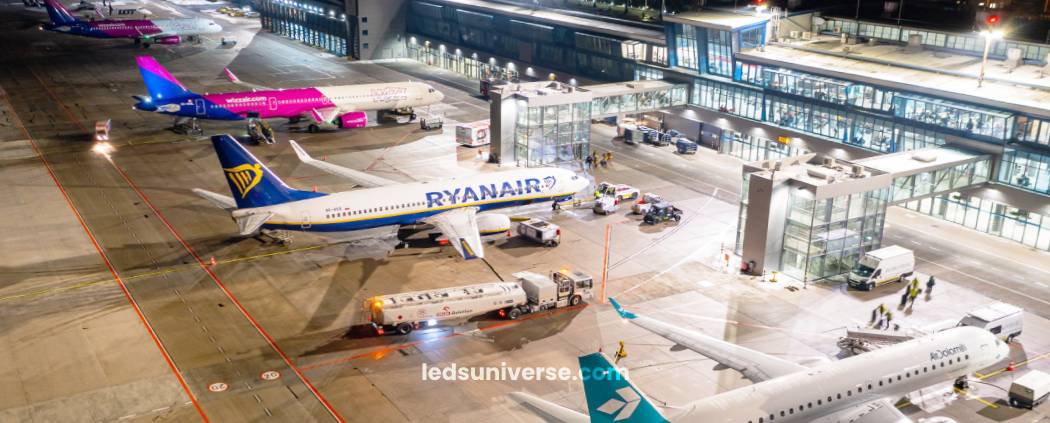
Governments and utility providers increasingly recognize the value of energy-efficient lighting in reducing environmental impact and operational costs at transportation hubs. As a result, many have established financial programs designed to encourage airports to upgrade their apron lighting systems. These programs typically offer rebates or direct grants that help offset the substantial capital expenses associated with installing modern LED fixtures and smart control technologies. Qualifying for these incentives often requires airports to provide detailed documentation, demonstrating projected energy savings and system performance through standardized measurements or third-party verification.
Incentive structures vary widely depending on jurisdiction and program specifics. Some utilities offer fixed rebates that range from $100 to $300 per fixture, which can substantially lower the upfront cost of each lighting unit. Others provide percentage-based rebates calculated on the total project expenditure, frequently falling between 10% and 30% of the eligible costs. In addition to these standard rebates, environmental agencies and green infrastructure funds may provide supplemental grants targeting renewable energy integration, such as solar-powered lighting masts or advanced smart control systems that further reduce energy use and emissions.
To access grants and rebates, airports must comply with specific eligibility criteria established by the funding bodies. These often include using certified LED products, meeting or exceeding minimum energy efficiency thresholds, and adhering to lighting standards set by aviation authorities. Airports must also submit comprehensive applications including energy audits, detailed project plans, and sometimes undergo on-site inspections or performance monitoring after installation. Timely and accurate reporting is essential to receive and retain financial incentives, and some programs require ongoing data submission to verify continued energy savings.
Beyond simple rebates and grants, several financial assistance models exist to ease the burden of large-scale lighting upgrades. Some programs offer low-interest loans or deferred payment schedules, allowing airports to spread the cost over several years. Other incentives might include tax credits or accelerated depreciation schedules that provide indirect financial relief through reduced tax liabilities. Together, these options expand the toolkit available to airport operators seeking to improve their lighting infrastructure without compromising other capital priorities.
Large upfront investments often pose a barrier for airports aiming to modernize apron lighting. To overcome this challenge, many authorities turn to innovative financing models that align the cost with long-term savings. One prevalent approach is the Energy Performance Contract (EPC), wherein a third-party service provider designs, installs, and maintains the lighting system. The provider recoups its investment through a share of the energy cost savings generated over a contract period, usually ranging from 5 to 15 years. This model reduces initial capital outlay for the airport and transfers some operational risks to the contractor.
Lease-purchase agreements represent another financing strategy, enabling airports to acquire lighting assets through manageable periodic payments rather than lump-sum expenditure. These agreements often include maintenance and upgrade clauses, ensuring technology remains current and reliable without additional capital injections. Such arrangements maintain airport ownership of the infrastructure while providing budget predictability.
Return on investment for apron lighting upgrades depends on several variables, including local energy costs, system design, operational hours, and available incentives. Generally, the payback period falls between 4 to 7 years, with LED systems featuring smart controls and optimized layouts tending toward the shorter end of this range. In some cases, especially where financial incentives and high electricity rates combine, the ROI can be even quicker, allowing airports to realize net savings sooner and reinvest those funds into further infrastructure improvements.
Adopting structured financing and leveraging available incentives reduce the financial risks associated with large apron lighting projects. By spreading costs over time and tying repayments to guaranteed savings, airports can avoid unexpected budget shortfalls or capital funding gaps. Moreover, these models encourage diligent system design and ongoing performance monitoring, ensuring that projected energy reductions are achieved. Careful budget planning aligned with these financial frameworks helps maintain operational stability while delivering modern, efficient lighting infrastructure.
The availability of grants, rebates, and innovative financing often makes projects feasible that would otherwise be postponed or downsized due to budget constraints. Airports can plan more ambitious lighting improvements, including cutting-edge LED technology, smart controls, and environmental sustainability features. Such enhancements improve not only energy and cost efficiency but also overall operational safety and compliance with evolving regulations, contributing to long-term airport competitiveness and community goodwill.
While the upfront installation and routine maintenance of apron lighting systems are the most apparent costs, a variety of less obvious expenses can accumulate throughout the system’s operational life. These hidden and long-tail costs often escape initial budgeting but have a meaningful impact on the total expenditure associated with apron lighting infrastructure. Such expenses encompass a range of factors including insurance premiums, risk management, compliance activities, and software-related charges that recur over time.
Airports typically carry specialized insurance policies to protect against damage or liability associated with lighting infrastructure. Premiums can vary based on system complexity, location, and risk exposure such as weather-related hazards or vandalism. The cost of insurance is influenced by the value of the installed equipment and the level of operational risk that lighting failures could pose to ground operations and aircraft safety. Over years of operation, insurance premiums form a steady expense that must be accounted for in comprehensive cost planning.
While LEDs reduce the frequency of lamp replacements, other components may require periodic replacement or upgrade. Items such as replacement lenses, specialized vandal-proof housings, and rodent-resistant cable insulation represent consumables or durable goods that incur costs over time. Airports operating in harsh environments may experience accelerated wear and tear, increasing the need for such specialized parts. Because these expenses are often smaller and distributed irregularly, they tend to be overlooked during budgeting, yet their aggregate impact can be notable.
Ensuring uninterrupted lighting during power outages is essential for safe apron operations, particularly during night or low-visibility conditions. Emergency backup solutions include uninterruptible power supply (UPS) units, diesel generators, or hybrid energy storage systems designed to maintain lighting function when the main grid fails. The procurement, installation, and maintenance of these backup systems represent significant additional costs beyond the lighting fixtures themselves. Regular testing and fuel provisioning further add to operational expenses. Airports in regions with unstable power grids or frequent storms typically invest more heavily in these systems, reflecting the premium placed on operational continuity.
Hidden expenses also arise indirectly from lighting failures or degraded performance. Any outage or dimming anomaly that compromises apron illumination can delay aircraft movements, increase safety risks, and lead to costly operational disruptions. Such impacts may manifest as penalties, increased staffing costs for emergency response, or lost revenue from flight delays. While difficult to quantify precisely, these indirect costs should be factored into lifecycle cost assessments as they affect the overall financial efficiency of lighting investments.
Maintaining complex lighting systems often requires specialized training for maintenance personnel and operators. Expenses related to training programs, certifications, and ongoing skill development contribute to the total cost of ownership. Skilled staff are necessary to troubleshoot, maintain, and upgrade lighting systems effectively, and their salaries and training fees form a continuing financial obligation.
Eventually, apron lighting components reach the end of their usable life and must be disposed of or recycled according to environmental regulations. Proper disposal of electronic components, batteries, and hazardous materials can incur fees and logistical costs. Compliance with local and international waste management standards ensures environmentally responsible handling but adds another layer of expense that is sometimes underestimated in initial project budgeting.
Apron lighting represents a complex, long-term investment for airports, with costs spanning from engineering design and hardware procurement to long-term maintenance and compliance. While modern LED systems and smart controls demand higher initial outlays, they deliver substantial savings across the operational life of the system. Energy consumption, maintenance schedules, and regulatory requirements shape the true cost landscape more than any single upfront figure.
Evaluating apron lighting expenses requires attention not just to capital expenditure, but to lifecycle operating efficiency, adaptability, and performance reliability. The right investments contribute to better visibility, safer airside operations, and more sustainable infrastructure. Financial support from rebates and performance contracts can improve affordability, especially when aligned with evolving technology trends. For airports looking to future-proof their lighting systems, a well-planned apron lighting strategy will continue to offer both operational and financial rewards over decades of service.