
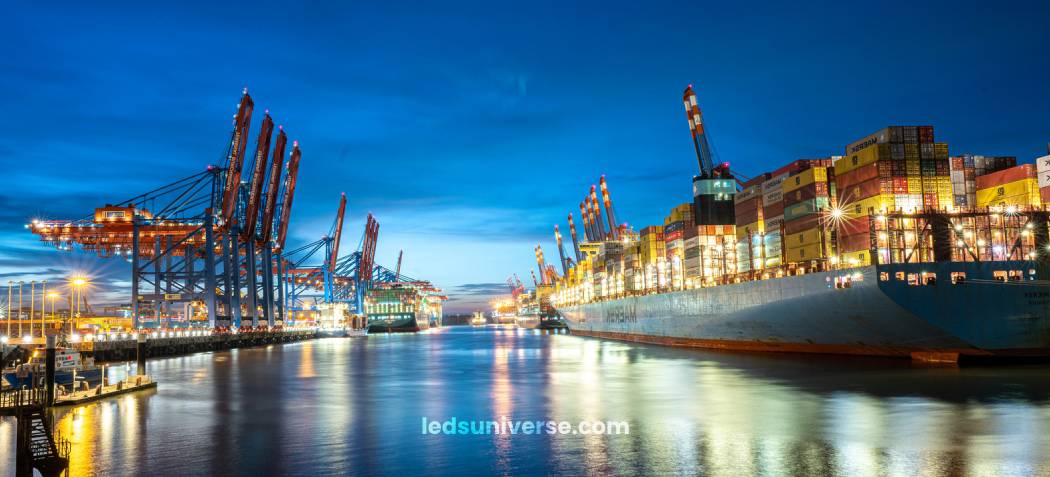
Designing effective lighting for shipyards involves a comprehensive understanding of the unique operational demands and safety considerations inherent to these vast industrial environments. Lighting systems must provide sufficient brightness to support a wide range of activities—from heavy fabrication and welding to cargo handling and quality inspections—while ensuring consistent visibility during both day and night shifts. The lighting requirements extend beyond simply achieving high illumination levels; factors such as light uniformity, color rendering, glare control, and environmental resilience play pivotal roles in fostering safe, efficient workflows. Each zone within a shipyard may have distinct specifications based on task complexity, worker proximity, and ambient conditions, making a detailed assessment of lighting needs fundamental to successful design and implementation.
| Shipyard Area / Task | Recommended Lux Range |
|---|---|
| General working zones (cutting, grinding, movement areas) | 100 – 150 lux |
| Assembly bays, fabrication sheds, staging of hull blocks | 200 – 300 lux |
| Precision welding, detailed inspections, quality control | 300 – 500 lux, sometimes up to 750 lux |
| Dockside loading, cargo handling, surface prep & painting | 200 – 350 lux, with special areas 300 – 450 lux |
| Walkways, internal access roads, security perimeters | 50 – 100 lux, rising to 150 lux in high-security yards |
| Emergency escape routes under backup power | 10 – 20 lux |
Shipyard lighting design typically aims for average illuminance levels ranging from 100 to 300 lux across general working zones. These target ranges are not chosen arbitrarily; they are rooted in extensive practical experience combined with published guidance from industrial engineering bodies and maritime safety codes. Maintaining illumination in this band supports the wide range of fabrication, logistical, and inspection activities that dominate daily shipyard operations. Without sufficient lighting, workers are more prone to fatigue, miscalculations, and errors that could translate into costly rework or even personal injuries.
For broad outdoor areas where cutting, grinding, and assembly take place, values on the lower end of this spectrum, such as 100 to 150 lux, are often deemed adequate, provided the lighting is well distributed. These are spaces where large hull sections are maneuvered or pipelines are laid out, and the key objective is to ensure trip hazards are visible, cranes and lift operations can be performed safely, and workers moving between zones do not find themselves abruptly stepping into shadow.
When the complexity of tasks increases, for instance in staging areas where hull blocks are fitted together or in fabrication sheds where numerous small components are prepared, the standard typically rises to 200 to 300 lux. This intensity allows welders, fitters, and quality inspectors to better discern chalk lines, weld beads, or small surface anomalies that could indicate defects. Supervisors and quality control engineers conducting dimensional checks or ultrasonic thickness measurements benefit from this lighting range, as it minimizes eye strain during prolonged close-up work.
Moreover, when referencing international norms, such as those drawn from ISO 8995 or EN 12464-2 (which address outdoor work lighting), it’s common to see recommendations for heavy engineering yards pegged precisely at 150 to 300 lux. The American National Standards Institute (ANSI) also suggests similar values under shipyard classifications, aiming to create environments where high-value assets—both human and material—are protected by ensuring every stage of work can proceed under clear, balanced illumination.
Beyond productivity, this lux range holds profound implications for safety. Forklifts, mobile cranes, and crawler transporters routinely move massive structures across shipyards. If general lighting were allowed to fall below about 100 lux, it would drastically increase the chances of collisions, unseen obstructions, or mistakes during rigging operations. Workers navigating these spaces rely on consistent brightness not only to follow paths but to recognize signals from spotters or visual cues from overhead loads.
Seasonal and weather conditions further underscore why shipyards maintain these lux thresholds. During winter months or periods of fog and mist, natural daylight levels can plummet well under 50 lux even at midday. A robust artificial lighting system designed to uphold 100 to 300 lux ensures that operations do not slow down or compromise quality due to diminished visibility. Shipyards situated in northern latitudes often design for even slightly higher average lux levels to compensate for prolonged dark seasons.
Thus, the general illuminance range of 100 to 300 lux represents a carefully chosen envelope, striking a balance between cost, energy efficiency, operational performance, and safety. It provides enough light to perform diverse fabrication and assembly work without the excessive glare or power overhead associated with extremely high-intensity industrial lighting. As shipyards evolve to handle more sophisticated ship designs and tighter construction schedules, these well-established lux benchmarks remain a foundational aspect of site planning and operational continuity.
For heavy assembly bays, where large structural modules are joined or intricate fitting takes place, lighting designers typically specify 300 to 500 lux as a recommended range. When it comes to precision welding operations or quality inspections of weld seams, even more illumination is required — often in the realm of 500 to 750 lux. This higher threshold supports the need to see fine bead lines, surface cracks, and alignment marks, which could otherwise be overlooked under inadequate lighting. Operators handling TIG or MIG welding guns report lower error rates and better weld quality under these elevated lux levels.
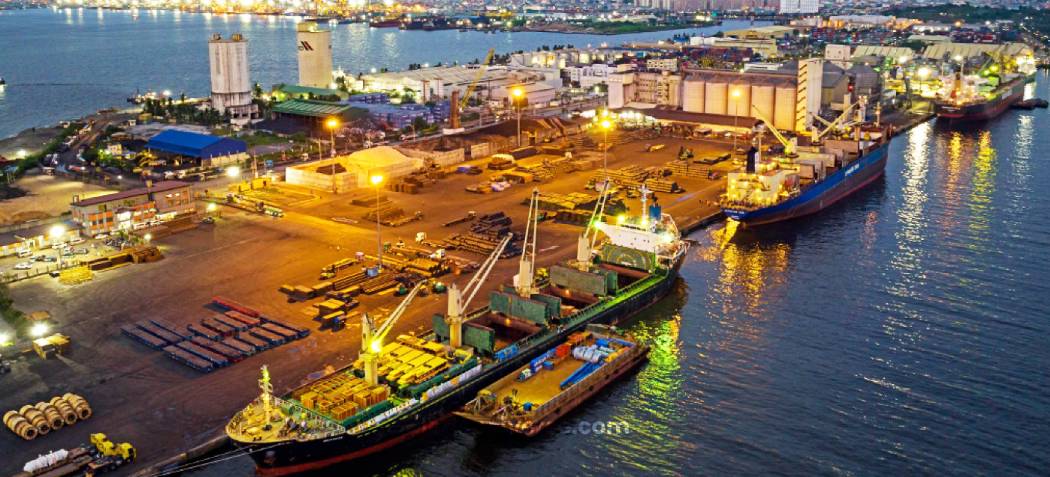
Dockside operations such as loading and offloading cargo, inspecting containers, or maintaining cranes benefit from levels around 200 to 350 lux. In particular, when dealing with painted hull sections or conducting surface prep work like blasting and priming, light intensities in the 300 to 450 lux range help highlight imperfections, rust spots, or inconsistent coatings. These environments also often require specialized lighting arrangements to penetrate into open cargo holds or the interiors of partially completed hulls, where natural daylight is absent. Portable floodlights supplement mast lighting to achieve uniform coverage inside these cavernous spaces.
Perimeter fencing, internal roadways, and pedestrian walkways within shipyards generally follow lower illuminance guidelines, typically between 50 to 100 lux. These areas are designed to facilitate safe navigation and ensure that security cameras can clearly identify moving people or vehicles. In higher security shipyards where sensitive ship builds or military vessels are handled, designers often push this up to 150 lux or more, to guarantee surveillance footage captures distinguishing features even under adverse weather or during late night hours.
Emergency lighting pathways are a specialized category, often overlooked until audits occur. Shipyard safety officers and lighting engineers collaborate to ensure escape routes maintain at least 10 to 20 lux consistently under backup power conditions. While far lower than general working illuminance, these levels are rigorously enforced to allow quick evacuation and identification of hazards during power failures or emergency drills. Modern shipyards deploy battery-backed LED strips or compact high-output fixtures that automatically switch on to preserve these light levels when the main grid drops.
In summary, shipyards deploy a carefully graduated matrix of illuminance levels to address diverse tasks—from broad outdoor assembly to meticulous weld inspections and from quiet walkways to bustling dockside loading bays. By tailoring light intensities to the actual operational function, facility managers not only uphold safety and visual comfort but also optimize electrical loads, minimizing unnecessary energy expenses where ultra-high lighting isn’t warranted.

Uniformity is another major factor that profoundly shapes shipyard lighting design. Unlike compact indoor facilities, shipyards sprawl over tens to hundreds of thousands of square meters, populated by immense structural modules, temporary scaffolding, and clusters of cranes towering more than 60 meters high. This physical complexity creates countless opportunities for shadow pockets and abrupt brightness drops if lighting is not carefully planned. As a result, engineers and lighting designers devote significant attention to ensuring that the ratio of minimum to average illumination—commonly known as the lighting uniformity ratio—stays within defined targets across these wide operational canvases.
A well-accepted benchmark in heavy industrial yards is to achieve a uniformity ratio of roughly 0.4 to 0.6. This means that even the dimmest areas should maintain at least 40 to 60 percent of the average illumination level across the entire site. For instance, if the general working zone is designed for an average of 200 lux, then the darkest points should still hover around 80 to 120 lux. This range is not just a technical recommendation; it has direct implications for operational safety and productivity. Without this balance, workers may frequently transition between overly bright and poorly lit spots, which can strain their vision and increase the chances of stumbling, misplacing tools, or misjudging distances.
In shipyards where massive cranes maneuver hull blocks weighing several hundred tonnes, uniformity becomes even more pivotal. Crane operators, often seated high in cabins or controlling equipment remotely, rely on consistent ground visibility to judge load sway and clearance. If certain sections under a moving load are starkly darker, depth perception can be distorted, heightening the risk of collisions with scaffolding or unfinished ship structures. Likewise, rigging crews on the ground must be able to read hand signals, spot wire tensions, and anticipate shifting loads without suddenly losing sight of details because they step from a brightly lit to a dim area.
Achieving these uniformity ratios across such large, obstacle-filled environments typically demands a strategic arrangement of high-mast fixtures, supplemented by localized floodlights positioned on crane gantries, temporary towers, or even ship decks themselves. Advanced LED systems use tailored optics to spread beams more evenly, reducing intense hot-spots directly under fixtures and pushing light outward to fill gaps. This careful distribution is often confirmed through lighting simulation software that generates lux level contour maps—visually illustrating how well the lighting blankets the yard and highlighting any dips that could violate the target uniformity ratio.
There are also economic incentives tied to achieving strong uniformity. When lighting is poorly distributed, operators might be tempted to overcompensate by increasing the overall brightness—running systems at 30 to 50% higher lux than technically required just to ensure that the darkest zones are adequately lit. This results in unnecessary energy expenditure and escalates the lifetime operational costs of the lighting system. By contrast, a well-uniform layout allows shipyards to meet safety and visibility standards without wasting kilowatts on excessively bright zones.
Seasonal considerations add yet another layer to the importance of uniformity. In winter months or during heavy fog common in coastal shipyards, natural ambient light levels drop dramatically, placing the entire burden on artificial lighting systems. Any shortcomings in uniformity become glaringly apparent, potentially forcing a halt to critical operations like hull positioning or crane lifts until additional portable lighting can be set up. By proactively engineering uniform coverage, shipyards preserve their scheduling resilience and avoid costly downtime linked to unexpected lighting shortfalls.
Thus, the principle of maintaining a uniformity ratio of roughly 0.4 to 0.6 is much more than a compliance checkbox. It safeguards continuous operations, minimizes visual fatigue among crews navigating complex worksites, and ensures that both ground personnel and elevated operators have a stable, predictable field of view. Over the lifecycle of a shipyard lighting system, investing in precision placement and optics to uphold these ratios pays substantial dividends in operational safety, efficiency, and energy stewardship.
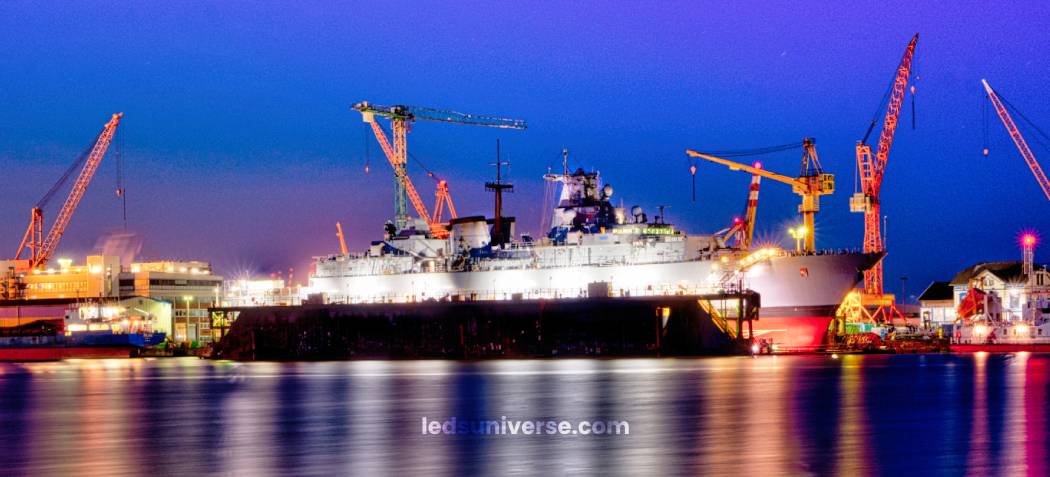
Uniform lighting plays a direct role in how safely and efficiently cranes, gantries, and mobile lifts can maneuver enormous ship sections. When light distribution is uneven, shadow pockets form on the ground or across hull surfaces, which can obscure obstacles or distort spatial judgment for operators. A uniformity ratio maintained between 0.4 and 0.6 ensures that from the cabin of a tower crane or the platform of a straddle carrier, the entire operating corridor remains consistently visible. This reduces the likelihood of load collisions, misaligned placements, or emergency stops that can damage expensive modules and delay project timelines.
Shipyards often require crews to move quickly between different work zones—transitioning from open assembly platforms to narrow walkways around scaffolding or beneath partially constructed superstructures. Without proper uniformity, workers’ eyes must constantly adapt to wide swings in brightness, which can lead to momentary blindness or reduced situational awareness. Maintaining uniform lighting minimizes this physiological strain, helping workers remain alert and confident as they navigate areas cluttered with tools, cables, and structural steel. This is especially vital during night shifts or in enclosed yards with limited ambient daylight.
Good uniformity doesn’t just enhance visibility—it also leads to smarter energy use. In poorly planned layouts where dark patches exist, operators often compensate by increasing overall lighting power, pushing average lux levels well above what’s actually needed for most tasks. By designing lighting to achieve 0.4 to 0.6 uniformity, shipyards can keep the average lux precisely aligned with safety and operational requirements, avoiding wasteful over-lighting. This balance reduces electricity costs substantially over the lifespan of the system and minimizes heat loads that can stress electrical components, extending the service life of both fixtures and cabling infrastructure.
Selecting the appropriate color temperature for shipyard lighting systems is a fundamental part of balancing visibility, worker alertness, and task precision across diverse industrial activities. Unlike small workshops or retail settings, shipyards involve enormous metallic surfaces, constant welding, grinding, and inspection of paint finishes. The chosen light spectrum directly influences how accurately workers can identify flaws, read safety indicators, and differentiate between structural materials. It also impacts psychological and physiological comfort—helping personnel maintain vigilance during long shifts, especially under nighttime or overcast conditions where artificial lighting becomes the sole source of illumination.
Shipyard operations typically favor lighting with color temperatures in the range of 4000K to 6000K. This “cool white” to “daylight white” spectrum closely resembles natural daylight, which is proven to support circadian rhythms and sustain alertness. Under these conditions, the human eye more easily detects subtle variations in surface texture or slight distortions in metal plates, which is indispensable when aligning structural seams or conducting weld inspections. Cooler color temperatures also prevent the yellowish cast associated with older high-pressure sodium lamps, ensuring that painted hull sections appear true to their intended hues, which is vital during quality control stages or when applying coatings that must meet strict maritime standards.
Lighting engineers frequently lean toward fixtures in the 5000K to 5700K band for the most visually demanding areas, such as precision fitting or final painting bays, where color discrimination is paramount. Meanwhile, slightly warmer temperatures around 4000K are occasionally deployed along internal walkways or administrative exterior zones to create a more relaxed yet still functional visual environment. The deliberate selection of color temperature thus becomes a tool not just for visibility but for optimizing both productivity and worker well-being across extended shifts.
Given that shipyards feature vast expanses of bare steel, wet surfaces, and glossy painted structures, managing glare is a vital companion to selecting the right color temperature. Light reflecting off metallic hulls or scattered across puddles can produce intense localized brightness, which impairs vision and forces workers to squint or turn away. This increases fatigue and may cause them to overlook hazards directly in their path. To combat this, shipyard lighting systems employ precision optics and strategically placed louvers or diffusers that control the beam spread. High-mast luminaires often incorporate asymmetric lenses, directing more light toward operational zones while reducing vertical spill that might bounce off towering structures or crane frameworks.
Shadows also pose a unique challenge. Improperly placed fixtures can create deep shadow lines behind scaffolding or under hull curves, obscuring equipment or structural features. This is particularly problematic during inspection walks or while operators maneuver heavy loads, where losing sight of edges can have severe consequences. By combining higher mounting heights, overlapping beam patterns, and thoughtful aiming angles, designers achieve a balanced illumination that keeps both horizontal surfaces and vertical ship sections consistently lit, minimizing harsh contrasts. This interplay of color temperature and glare control ensures that shipyard spaces remain visually stable, supporting both safety and high-quality workmanship.
| Parameter | Typical Value / Range | Notes |
|---|---|---|
| Fixture Wattage | 400W to 1200W+ | High mast and crane-mounted luminaires |
| Fixture Lumen Output | Up to 140,000 lumens per fixture | Advanced optics enable wide area coverage |
| Mounting Height | 25 to 40 meters | Typical pole or crane boom height |
| Illuminated Area per Fixture | 1,500 to 2,000 m² | Area coverage per high wattage luminaire |
| Energy Savings from LEDs | 40% to 60% | Compared to legacy metal halide or sodium lamps |
| Typical Continuous Power Demand (Large Yard) | Several megawatts (MW) | Prior to LED upgrades |
| Power Demand after LED Upgrade | Reduction of hundreds of kilowatts (kW) | Example: from ~600 kW down to ~360 kW for 600 fixtures |
| Operating Hours | 10 to 16 hours daily | Common shipyard illumination duration |
| Electrical Distribution Voltage | 480V to 600V | Used for long feeder runs to reduce losses |
| Step-Down Voltages Near Load | 208V to 240V | Standard operating voltage for LED drivers |
| Circuit Load per Branch | 30 kVA to 60 kVA | Designed to allow margin and diversity |
| Surge Arrester Rating | 40 kA or more per phase | Protection from lightning and switching surges |
| Fixture Lifespan (LED) | 50,000 to 100,000 hours | Significantly longer than traditional lamps |
| Traditional Lamp Lifespan | 6,000 to 10,000 hours | Metal halide or high-pressure sodium lamps |
Lighting shipyards is an engineering undertaking that extends well beyond choosing fixtures and poles—it demands a resilient electrical backbone capable of sustaining heavy, continuous loads across wide, complex terrains. Unlike simpler commercial installations, shipyards combine sprawling outdoor spaces, towering cranes, large machinery, and critical timelines, meaning lighting must be consistently dependable under diverse and often harsh operating conditions. Every aspect of the electrical infrastructure, from cabling and circuit distribution to protective devices, must be designed to handle these challenges. This is not merely to maintain illumination quality but to uphold the integrity of the entire shipyard’s power ecosystem, which simultaneously supports welding stations, propulsion system testing, and large material handling equipment.
Shipyards frequently operate with lighting systems that draw multiple megawatts of combined power, especially in extensive facilities spanning 50 to 200 acres. With high mast fixtures ranging from 400W to 1200W each, and sometimes numbering in the hundreds, planners must carefully calculate the total expected load. It’s common to see individual lighting circuits designed to carry 30 to 60 kVA per branch, factoring in diversity and allowing margin for future fixture additions. Power panels are strategically distributed across the yard to minimize long feeder runs, which helps limit voltage drops that could otherwise degrade lighting output and cause uneven illumination.
In many modern shipyards, electrical engineers opt for 480V three-phase or even 600V systems to feed lighting loads. This approach significantly reduces current compared to lower voltage designs, meaning smaller conductor sizes can be used over long distances, saving on copper costs and easing installation logistics. By stepping voltage down closer to the load—using local transformers that convert to 208V or 240V for fixture operation—the design keeps losses low and maximizes energy efficiency. These same transformers often include taps to compensate for slight distribution line losses, ensuring that lights at the far end of the yard receive stable voltage levels, which is vital for consistent brightness and to protect LED drivers from early failure.
The shipyard environment itself imposes further electrical considerations. Exposure to salt air accelerates corrosion, so cabling is usually specified with robust UV- and chemical-resistant jacketing. Junction boxes and distribution panels feature stainless steel or epoxy-coated housings rated for NEMA 4X or IP66 protection, shielding sensitive connections from wind-driven rain, seawater spray, and even direct hosing during yard clean-down operations. Inside these panels, all terminations use anti-oxidizing compounds and are often double-lugged to handle vibration—an overlooked necessity in environments where ground tremors from heavy lifts or pile driving are common.
Surge protection is another critical element. Coastal yards are frequently struck by lightning or experience induced surges from nearby crane switching and welding arcs. As a safeguard, lighting systems integrate heavy-duty surge arresters capable of absorbing 40 kA or more per phase, installed both at main switchgear and at secondary distribution points. This prevents transient overvoltages from damaging hundreds of sensitive LED drivers simultaneously—a failure that could darken vast areas of the yard and disrupt crucial round-the-clock operations.
Grounding strategies are equally robust. In addition to standard electrical code requirements, many shipyards install extensive ground grids and bonding conductors specifically for lighting poles and crane-mounted fixtures. This minimizes potential differences during electrical faults or lightning events, reducing the chance of dangerous step and touch voltages for workers on the ground. Such safety measures also stabilize voltage references for sensitive electronic controls, supporting consistent dimming and smart lighting functions that might otherwise be disrupted by transient earth currents.
Altogether, the power system for shipyard lighting is a layered architecture, balancing high-voltage efficiency with local safety and resilience. It ensures that massive loads can be carried across broad open facilities without compromising light output or creating operational bottlenecks. When properly designed, this infrastructure not only supports today’s intense lighting requirements but also positions shipyards to seamlessly expand as new construction or repair contracts demand even more extensive illuminated workspaces. This holistic approach to electrical considerations is what ultimately preserves both the visual integrity of shipyard operations and the operational continuity of the entire industrial complex.

Shipyards frequently deploy luminaires in the 400W to over 1200W range, a necessity driven by the sheer scale of work zones and the remarkable height of typical mounting structures. High-mast poles often reach 25 to 40 meters in height, and in some expansive yards, crane booms equipped with lighting can extend even higher. This vertical positioning is crucial to achieve broad horizontal throw and reduce the number of poles cluttering valuable ground space, but it also demands powerful fixtures that can project intense, evenly spread light all the way to working surfaces without creating dim patches.
Fixtures at the 1000W to 1200W range, especially when fitted with advanced multi-layer optics, are capable of delivering more than 140,000 lumens per unit. This level of output allows each luminaire to illuminate areas exceeding 1,500 to 2,000 square meters while still contributing to target lux levels and maintaining uniformity ratios. For large assembly pads where multiple hull segments are simultaneously under construction, this means fewer mounting points, streamlined electrical feeds, and less infrastructure to obstruct crane paths or vehicular movement.
A decade ago, such illumination was largely achieved through metal halide or high-pressure sodium systems, which typically required 1000W to 2000W per fixture and still suffered from drawbacks like slow warm-up times, frequent relamping, and pronounced lumen depreciation after just a few thousand hours. Today, modern high wattage LED systems have transformed this landscape. LEDs produce similar or superior brightness while consuming 40 to 60% less power than legacy systems. This shift not only delivers immediate savings on utility bills but also dramatically reduces heat loads, decreasing strain on both fixture components and the surrounding electrical infrastructure.
For example, a shipyard that once depended on a network of 600 metal halide fixtures at 1000W each might draw approximately 600 kW continuously for lighting alone. By upgrading to LED systems averaging 600W with equivalent light output, that same facility cuts power demand down to around 360 kW. This represents a direct operational savings of roughly 240 kW every hour the lights run, which quickly scales to thousands of dollars monthly—an advantage magnified by the fact that shipyards frequently operate under full illumination 10 to 16 hours daily to keep construction timelines on track.
The efficiency benefits of these high-wattage LED systems extend beyond raw energy numbers. LED optics are inherently directional, allowing engineers to sculpt precise beam distributions tailored to the geometry of shipyard spaces. This minimizes wasted uplight, which would otherwise bounce uselessly into the night sky, and reduces side scatter that can spill onto adjacent roads or residential areas, helping facilities comply with local light trespass regulations. More importantly, it ensures that light is delivered exactly where it is functionally needed: onto hull surfaces, scaffolding platforms, fabrication zones, and dockside staging areas.
Because of these advantages, shipyards also experience secondary cost reductions in areas such as pole installation and maintenance. Powerful high-mast LEDs mean fewer poles are required to achieve the same coverage, lowering the expenses tied to deep foundations, trenching, and long cable runs. The durability of quality industrial LEDs—often rated for 50,000 to 100,000 hours—translates into dramatically reduced maintenance interventions compared to older systems, where lamp replacements could be needed every 6,000 to 10,000 hours under harsh marine conditions.
Altogether, the choice to deploy high wattage luminaires, carefully matched to the scale of shipyard work areas and the elevation of their mounts, results in a lighting infrastructure that is both functionally robust and economically optimized. It fulfills strict lux and uniformity requirements, cuts long-term energy and maintenance expenditures, and ensures that vast industrial landscapes remain safely illuminated—powering around-the-clock shipbuilding and repair activities with confidence.
Feeding extensive high-power lighting systems across shipyards that can span several hundred meters requires a meticulously planned and robust electrical infrastructure. The vast distances involved introduce significant challenges, especially regarding voltage drops along long feeder cables, which can result in diminished fixture performance. Reduced voltage at the luminaire level not only leads to uneven illumination—causing dim or flickering zones—but also accelerates premature failures of sensitive electronic drivers, undermining system reliability and increasing maintenance demands.
To address these challenges, electrical engineers commonly design shipyard lighting distribution networks operating at elevated voltages such as 480V three-phase or even 600V circuits. Utilizing higher distribution voltages significantly reduces the current flowing through cables, enabling the use of smaller conductor sizes and lowering resistive losses over long distances. This practice also enhances overall energy efficiency, reduces installation costs, and improves power quality delivered to lighting fixtures. Near the point of utilization, local step-down transformers convert the supply to standard operating voltages such as 208V or 240V, tailored to the requirements of LED drivers and other luminaire electronics. These transformers are often equipped with multiple taps to compensate for slight voltage fluctuations, ensuring consistent brightness and optimal fixture lifespan.
A well-designed electrical infrastructure for shipyards also incorporates a comprehensive selection of protective devices tailored to the harsh marine and industrial environment. Circuit breakers are sized not only to handle continuous loads but also to accommodate inductive inrush currents typical when large banks of LED drivers or other electronic ballasts power up simultaneously. This prevents nuisance trips that could interrupt illumination during critical operational windows.
Grounding and bonding systems form another vital component of shipyard electrical infrastructure. Due to the wet and corrosive nature of coastal environments, electrical faults can present significant hazards. Dedicated grounding grids and bonding conductors are installed extensively to minimize step and touch voltages, protecting personnel and sensitive equipment. Robust grounding also stabilizes voltage references, supporting the reliable operation of dimming controls, motion sensors, and other smart lighting features increasingly integrated into modern shipyard systems.
Shipyards are particularly susceptible to transient voltage surges caused by lightning strikes, switching operations of heavy cranes, or welding arcs. To safeguard lighting electronics from such potentially catastrophic damage, facilities employ heavy-duty surge arresters rated to absorb impulses of 40 kA or more per phase. These devices are strategically placed at main distribution panels and secondary feeder points, ensuring multi-layered defense. The surge protection strategy not only preserves the longevity of expensive LED drivers but also helps maintain uninterrupted lighting critical for night-time operations and emergency safety.
Moreover, electrical enclosures housing distribution equipment, junction boxes, and control panels are specifically selected to meet stringent ingress protection standards, such as NEMA 4X or IP66. These ratings guarantee protection against salt spray, dust, and high-pressure water jets commonly encountered during shipyard cleaning processes or adverse weather conditions. The use of stainless steel or corrosion-resistant epoxy coatings further extends equipment lifespan and reduces maintenance frequency.
In addition to technical safeguards, the electrical infrastructure must be designed with scalability and future expansion in mind. Shipyards evolve continuously, adding new berths, fabrication sheds, and repair docks. Modular switchgear and adaptable feeder layouts facilitate seamless integration of additional lighting circuits without extensive downtime or rewiring. This foresight ensures that power distribution can keep pace with growing illumination demands driven by intensified production schedules or evolving safety regulations.
Ultimately, the comprehensive design and implementation of electrical infrastructure for shipyard lighting systems serve as the foundation that underpins every illuminated corner of these massive industrial complexes. Attention to detail in voltage management, protective devices, grounding practices, and enclosure selection creates a resilient platform capable of supporting the demanding operational conditions found in maritime environments. This ensures that lighting not only meets stringent performance criteria but also contributes to the uninterrupted, safe, and efficient construction and repair of vessels worldwide.
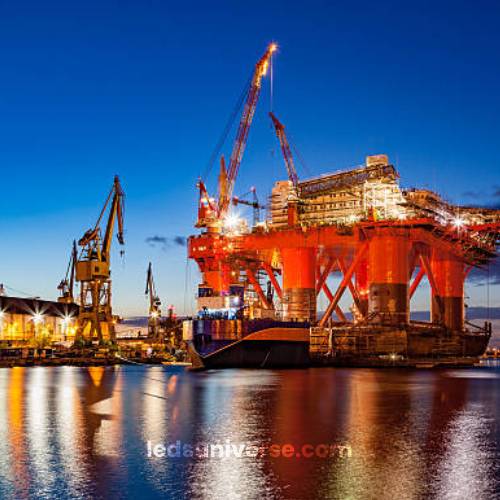 Shipyard lighting systems must endure some of the harshest environmental and operational conditions found in industrial settings. Exposed to saltwater spray, heavy rain, extreme temperatures, mechanical hazards, and airborne dust, the fixtures and their components require robust protection and engineering to maintain consistent performance and safety. Ensuring that lighting equipment can withstand these challenges not only prolongs system lifespan but also reduces downtime and maintenance costs. Safety considerations extend beyond mere illumination; they encompass resilience to physical impacts, moisture ingress, and thermal extremes that are intrinsic to maritime construction environments. Such resilience is a fundamental aspect that safeguards both personnel and critical shipyard operations.
Lighting fixtures installed in shipyards face constant exposure to water spray, heavy rainfall, dust, and airborne salt particles carried by coastal winds. To endure these conditions without degradation, shipyard luminaires are specified with stringent Ingress Protection (IP) ratings. Typically, an IP65 or higher rating is mandated. This rating certifies that fixtures are completely protected against dust ingress and can withstand direct water jets from any angle without allowing moisture inside the enclosure. This level of protection is vital to prevent internal corrosion, short circuits, or electrical failures that could not only darken critical work areas but also pose safety hazards to workers. The use of sealed housings, gaskets, and corrosion-resistant materials further enhances the durability and reliability of these fixtures in the marine environment.
Beyond environmental challenges, shipyard lighting must endure the mechanical stresses common to bustling industrial maritime settings. Shipyards are dynamic environments characterized by constant movement of heavy machinery, cranes, forklifts, and workers carrying tools or handling rigging equipment. Lighting fixtures installed in these areas face the risk of being accidentally struck by handheld tools dropped from scaffolds, swinging chains, hoisting cables, or even colliding with mobile equipment. These impacts, if not accounted for, can lead to damage ranging from superficial scratches to cracks in lenses or housings, compromising both the physical integrity and electrical safety of the fixtures.
To withstand such rigorous conditions, many shipyard luminaires are designed and tested to meet or exceed IK08 impact resistance standards. An IK08 rating signifies that a fixture can absorb impacts of up to 5 joules, which is roughly equivalent to the force exerted by a 1.7 kg mass dropped from 300 mm. This level of durability is critical to ensure the fixture’s enclosure remains intact, preventing ingress of dust, moisture, and corrosive agents that could otherwise lead to rapid deterioration or electrical hazards.
Achieving this robustness involves the use of advanced materials and engineering techniques. Hardened polycarbonate or tempered glass lenses provide high resistance to cracking or shattering, even under repeated impact. The housing units are typically constructed from corrosion-resistant metals such as marine-grade aluminum alloys or stainless steel, often with reinforced frames or ribs to absorb and distribute mechanical forces. Mounting brackets are engineered to include shock-absorbing features—such as rubber gaskets or flexible joints—that reduce the transmission of vibration and sudden shocks from the structure to the luminaire components.
In addition to preventing physical damage, these impact-resistant designs also contribute to maintaining optical performance. A cracked or deformed lens can distort light output, create unwanted glare, or cause uneven illumination, which in a shipyard environment could obscure hazards or reduce worker visibility. By preserving the fixture’s form and function under mechanical stress, IK08-rated luminaires help sustain a safe and productive work environment.
Furthermore, in high-traffic or especially hazardous zones, some shipyards may specify even more robust impact ratings such as IK09 or IK10, providing protection against stronger impacts up to 10 joules or more. These are typically deployed near heavy equipment docking areas, crane bases, or entry points where collisions or heavy tool drops are more likely. The investment in such high-impact fixtures can prevent costly downtime caused by lighting failures and reduce the frequency of maintenance and replacement cycles, ultimately improving operational efficiency.
Shipyard lighting fixtures must operate reliably across wide temperature ranges, often from subzero winter nights to scorching summer afternoons. Exposed metal decks and structures absorb and radiate heat intensely, challenging the thermal stability of LED junctions and driver electronics. To ensure optimal performance and longevity, fixtures incorporate advanced thermal management systems. These include substantial heatsinks made from high-conductivity aluminum alloys and ventilated housings designed to dissipate heat effectively. Maintaining LED junction temperatures within manufacturer specifications is essential to prevent premature lumen depreciation, color shift, or outright failures. Effective thermal regulation extends fixture lifespan significantly, reducing maintenance cycles and ensuring uninterrupted illumination in these demanding environments.
| Cost Category | Typical Value / Range | Notes |
|---|---|---|
| Initial Capital Investment | $100,000 to several million dollars | Depends on facility size, number of fixtures, and controls |
| High-Mast Pole Foundation | $15,000 to $40,000 per pole | Specialized foundations for wind load resistance |
| Fixture Cost (1000W LED) | $1,200 to $2,500 each | Includes advanced optics and robust housings |
| Traditional HID Lamp Cost | Under $50 per lamp | Frequent replacements increase lifetime cost |
| LED Fixture Lifespan | 50,000 to 100,000 hours | 10+ years of operation, reducing replacements |
| Trenching Cost | $30 to $80 per linear meter | Varies with terrain and soil conditions |
| Crane Rental | $2,000 to $5,000 per day | For pole erection and heavy lifting |
| Electrician Labor Rates | $75 to $120 per hour | Specialized marine electrical expertise |
| Monthly Energy Consumption (600 fixtures @1000W) | ~432,000 kWh (metal halide) | Operating 10-16 hours daily |
| Monthly Energy Consumption (LED Upgrade) | 172,800 to 259,200 kWh | 40-60% reduction from LED efficiency |
| Energy Cost Savings | Several thousand dollars per month | At $0.10 – $0.15 per kWh rate |
| Maintenance Interval (LED) | 5 to 10 years | Longer intervals reduce labor and equipment costs |
| Light Output Reduction from Dirt | 10% to 30% | Cleaning necessary to maintain output |
Installing a shipyard lighting system represents a substantial upfront financial commitment. This initial capital outlay includes the acquisition of high-output lighting fixtures, the structural supports such as poles or masts, comprehensive electrical panels, extensive wiring infrastructure, and advanced control systems. For large-scale shipyards that can cover anywhere from 50 to 200 acres, the investment can easily reach into the hundreds of thousands to several million dollars, depending on the level of illumination, uniformity requirements, and automation features incorporated.
One of the most significant cost components in the initial phase is the procurement and installation of high-mast poles. These poles often exceed 30 to 50 meters in height to ensure broad coverage with minimal fixture counts. Due to their height and exposure to coastal wind loads, the foundations for these poles require specialized engineering. Deep concrete footings reinforced with steel rebars, sometimes extending over 3 meters below ground, are standard to prevent tilting or failure during storms. Foundation costs alone for each pole can range from $15,000 to $40,000, depending on soil conditions and local building codes.
Beyond the poles, high-output fixtures designed for shipyard applications tend to command premium pricing. A single 1000W LED luminaire equipped with robust housings and advanced optics can cost between $1,200 and $2,500. When multiplied by dozens or hundreds of fixtures, the equipment budget becomes a major portion of the capital investment. This cost escalates further when intelligent lighting control systems are integrated, allowing for automated dimming, scheduling, and fault detection, which can add tens of thousands of dollars but provide operational flexibility and savings over time.
High-mast poles are engineered to withstand severe coastal weather, including strong wind gusts and corrosive salt air. The engineering and fabrication of poles meeting these conditions add to the capital expense. Poles typically range from 30 to 50 meters in height, with tubular steel or aluminum construction treated for corrosion resistance. Foundations involve deep excavation and concrete pours reinforced with steel rebars, with foundation depths often exceeding 3 meters to ensure structural stability. Depending on soil composition—such as sandy, clayey, or rocky substrates—the foundation design can vary, influencing cost. Foundation expenses for each pole are estimated between $15,000 and $40,000, making this one of the highest upfront costs in shipyard lighting projects.
Shipyard-grade lighting fixtures designed for heavy industrial use incorporate robust housings, advanced optics, and high lumen outputs. These features drive prices higher compared to standard commercial lighting. A 1000W LED luminaire, commonly used for broad-area coverage on high-mast poles, can range from $1,200 to $2,500 per unit depending on brand, optical sophistication, and ingress protection rating (often IP65 or above). For large shipyards requiring hundreds of fixtures, this alone can push equipment costs into the hundreds of thousands or more. Additionally, fixture warranties and expected lifespan influence the perceived value, with many LEDs offering 50,000 to 100,000 hours of operation that offsets initial expense through reduced replacement frequency.
The integration of intelligent lighting controls is becoming increasingly prevalent in modern shipyards to optimize operational efficiency and reduce energy costs. These systems allow automated dimming, scheduling, motion detection, and fault monitoring. Incorporating such control networks requires investment in communication hardware, centralized management software, and compatible fixtures, typically adding tens of thousands of dollars to the initial capital budget. Despite the upfront cost, these controls provide substantial long-term benefits, including adaptive lighting based on activity, remote diagnostics, and reduced energy consumption—contributing to overall cost savings and improved system reliability.
Historically, shipyard lighting predominantly relied on high-intensity discharge (HID) lamps such as metal halide or high-pressure sodium. These fixtures had relatively low initial purchase costs, with individual lamps sometimes priced under $50. However, this initial affordability was offset by the need for frequent replacements, as HID lamps typically have a service life of 6,000 to 15,000 hours. In demanding shipyard conditions, where lights often run 10 to 16 hours daily, this results in lamp replacements every 6 to 18 months.
In contrast, modern LED technology, though more expensive upfront—fixtures can range from $500 to $2,500 depending on wattage and features—offers substantially longer operational lifespans. Quality industrial LEDs are rated for 50,000 to 100,000 hours, which can translate to over 10 years of continuous operation before significant lumen depreciation occurs. This extended lifespan drastically reduces the need for replacement lamps, minimizing both material costs and the labor associated with relamping.
Moreover, LEDs maintain light output and color consistency much better over their service life compared to HID lamps, which suffer from gradual lumen depreciation and color shift. This means shipyards avoid incremental lighting quality loss that might otherwise require early fixture replacements or supplementary lighting investments. Although LED fixtures have higher initial costs, their superior longevity and stable performance provide a more economical total cost of ownership over the life of the system.
Installation of shipyard lighting is a complex, labor-intensive process with many cost variables influenced by site conditions. A large portion of the installation budget is consumed by trenching and conduit placement for underground wiring. Shipyard terrain is often rugged, composed of compacted soils, gravel, or even reclaimed land, which complicates excavation efforts. These factors drive up excavation costs significantly; typical trenching expenses range from $30 to $80 per linear meter, and extensive site layouts may require several kilometers of trenching to connect poles, control panels, and power sources.
Erecting the high-mast poles themselves demands specialized equipment, such as heavy-duty cranes capable of safely lifting and positioning poles weighing several tons at heights of 30 to 50 meters. Crane rental costs can vary widely by region but may run from $2,000 to $5,000 per day, not including skilled operator labor. Setting and securing each pole may take multiple days, especially if foundation curing time is factored in.
Additionally, the electrical wiring and fixture installation require certified electricians familiar with maritime safety standards and shipyard-specific electrical codes. The specialized nature of high-voltage, high-capacity circuits in harsh environments often commands premium labor rates, sometimes between $75 and $120 per hour. Ensuring compliance with standards such as NEC, IEC, and local marine regulations is mandatory, often necessitating inspections and commissioning tests that add to the overall installation timeline and cost.
Trenching for electrical conduits in shipyards is frequently complicated by tough soil conditions and extensive underground infrastructure. Compacted gravel layers, rocky substrates, and reclaimed soils require heavy machinery such as hydraulic excavators, rock breakers, or vibratory plows to create the necessary trenches. The presence of existing utilities and drainage systems demands careful planning to avoid damage, often necessitating detailed subsurface mapping before excavation. These factors push trenching costs toward the higher end of the typical range, potentially exceeding $80 per linear meter in difficult zones.
Furthermore, weather conditions can cause delays or increase expenses. Rainfall leads to softening of soils and water accumulation in trenches, requiring additional pumping and shoring to ensure worker safety. These site-specific challenges significantly impact both the duration and cost of the groundwork phase, making trenching one of the most variable and potentially costly components of shipyard lighting installation.
The erection of high-mast poles for shipyard lighting involves meticulous logistical coordination and specialized machinery. Poles often exceed 30 to 50 meters in height and can weigh several tons, requiring cranes with sufficient lifting capacity and reach. Rental of such cranes typically ranges from $2,000 to $5,000 per day, with total erection time per pole spanning several days to accommodate safe handling, foundation curing, and alignment checks.
Following physical installation, the electrical wiring and connection of fixtures demand expert electricians familiar with marine-grade components and standards compliance. Electrical commissioning includes testing circuits for insulation resistance, voltage stability, and verifying proper grounding to prevent faults in the humid and conductive coastal environment. Inspections by regulatory bodies or third-party auditors add further procedural steps and potential costs, though they help ensure system reliability and longevity.
Operating a shipyard lighting system contributes a significant portion to ongoing utility expenses. Given the extensive number of fixtures and the long operational hours—often 10 to 16 hours per day, 365 days a year—energy consumption can be substantial. For example, a shipyard with 600 fixtures averaging 1000W each would draw approximately 600 kW continuously when fully illuminated. Over a month, this equates to around 432,000 kWh of energy consumption.
The shift to LED technology has transformed energy profiles for many shipyards. LEDs reduce power consumption by an estimated 40 to 60% compared to older metal halide or sodium vapor fixtures of similar light output. For the example yard above, this reduction could lower monthly energy usage from 432,000 kWh to approximately 172,800 to 259,200 kWh, yielding significant savings on electricity bills. At an average commercial electricity rate of $0.10 to $0.15 per kWh, this translates to monthly savings of several thousand dollars.
Many shipyards also implement adaptive lighting controls such as motion sensors, time scheduling, and dimming systems that automatically reduce lighting levels during off-peak hours or periods of low activity. Such measures can further reduce running costs by 10 to 30% depending on operational patterns, energy prices, and control system sophistication. The combination of efficient fixtures and intelligent controls is increasingly becoming a standard practice for sustainable shipyard lighting.
Energy usage within a shipyard varies significantly depending on the function and lighting density of specific areas. Heavy fabrication zones and dockside loading areas typically consume the most power due to their higher lux requirements—often above 300 lux—and the use of high-wattage luminaires ranging from 800W to 1200W. In contrast, administrative areas, storage yards, and security perimeters require lower illuminance levels, generally between 20 and 100 lux, resulting in proportionally lower energy consumption. By analyzing consumption patterns, facility managers can target high-use zones for additional efficiency upgrades or adaptive controls to maximize energy savings without compromising safety or productivity.
Implementing advanced lighting control systems dramatically influences energy consumption by tailoring illumination to real-time operational needs. Motion-activated sensors reduce unnecessary lighting in unoccupied zones, while daylight harvesting adjusts artificial light levels in response to natural light availability. Time-based scheduling ensures lighting is only active during defined operational periods, preventing waste during downtime. Together, these control strategies can achieve cumulative energy reductions of up to 30%, extending LED savings further. Additionally, remote monitoring allows facilities to fine-tune control parameters based on usage trends, optimizing performance and lowering electricity costs over the lifespan of the lighting system.
Maintenance costs are a major consideration in shipyard lighting economics. Fixtures mounted on 30- to 50-meter masts or crane booms require specialized access equipment, such as boom lifts, cranes, or scaffolding, which incur significant rental and operational costs. A single service visit involving lamp replacement or driver servicing can easily cost several thousand dollars when factoring in equipment, labor, and safety measures.
Traditional HID lamps necessitated frequent replacements every 6,000 to 10,000 hours, driving up both direct replacement costs and operational downtime. Additionally, the ballast and ignitor components in these older systems often required periodic servicing or replacement, compounding expenses. In contrast, LED fixtures dramatically reduce maintenance frequency due to their long lifespan and robust electronics. A well-designed LED shipyard lighting system can often go 5 to 10 years or more between major servicing intervals.
Cleaning is another ongoing expense. Salt deposits, industrial grime, and dust accumulation on lenses can reduce light output by 10 to 30% if left unaddressed. Regular cleaning schedules are essential, especially in marine environments, and can add recurring costs associated with labor and equipment access. However, LEDs generally maintain optical clarity better due to their sealed housings and less heat emission, which reduces grime adhesion compared to traditional fixtures.
Overall, although shipyard lighting demands considerable investment across capital, installation, operation, and maintenance stages, the adoption of modern LED technologies combined with strategic design choices and intelligent controls offers a pathway to reduced total cost of ownership and enhanced operational reliability over time.
Servicing shipyard lighting fixtures involves navigating complex logistical and safety challenges due to the height and location of most installations. High-mast lights and crane-mounted fixtures, often positioned between 30 and 50 meters above ground, require specialized lifting equipment such as boom lifts, mobile cranes, or scaffolding platforms to access safely. Renting this equipment can cost upwards of $1,000 to $3,000 per day, and the need for trained operators and riggers further increases labor expenses. Weather conditions common in coastal shipyards, including strong winds and rain, can limit safe service windows, occasionally delaying maintenance and increasing downtime.
Moreover, coordinating maintenance activities to minimize disruption to ongoing shipyard operations demands careful planning. Night or weekend work may be required, attracting premium labor rates. The inherent risks involved in working at heights over active industrial zones necessitate stringent safety protocols, adding both time and cost to routine servicing. These factors collectively make maintenance one of the more substantial operational expenditures in the lifecycle of shipyard lighting systems.
The field of shipyard lighting has witnessed significant technological advancements aimed at enhancing energy efficiency, operational flexibility, and maintenance predictability. Modern lighting systems are no longer simple on/off installations; they increasingly incorporate intelligent controls and precision optics to optimize performance while reducing costs. These innovations respond directly to the complex demands of shipyard environments, where large-scale illumination must coexist with shifting work patterns, harsh weather conditions, and safety regulations. Understanding how these cutting-edge technologies function and their benefits is essential for operators seeking to modernize or expand their lighting infrastructure.
One of the most transformative developments in shipyard lighting is the integration of smart control systems. These systems utilize a combination of programmable timers, ambient light sensors, and occupancy detectors to dynamically adjust lighting output in real time. For example, during nighttime hours or periods of low activity—such as shift changes or maintenance breaks—lighting levels can be automatically dimmed to as low as 30% of full capacity. When motion sensors detect personnel or vehicle movement within specific zones, the system rapidly restores lighting to full output to maintain safety and visibility.
This adaptive approach not only enhances operational safety by providing illumination tailored to current needs but also significantly reduces energy consumption. Studies have demonstrated that such smart controls can lower electricity usage by up to 25-35% compared to fixed-output lighting systems. Additionally, programmable schedules can align lighting operation precisely with shift patterns or seasonal daylight variations, eliminating unnecessary power use.
Furthermore, these smart systems often feature networked communication protocols, enabling centralized management through facility-wide control panels or remote access via mobile devices. Facility managers can monitor system status, adjust schedules, or implement emergency overrides instantly, increasing responsiveness and operational efficiency.
Another key advancement lies in the development of high-efficiency optical components that shape and direct light beams with exceptional precision. Modern luminaires employ lenses and reflectors designed to concentrate light exactly where it is needed—such as on docking areas, hull surfaces undergoing fabrication, or walkways used by ground crews—while minimizing spill light onto non-essential spaces like open water, unoccupied storage yards, or adjacent residential zones.
These advanced optics improve the uniformity of illumination, which is a vital aspect in shipyards to prevent hazardous shadow zones or glare spots. By delivering a more consistent light distribution, they enhance depth perception and visual comfort for workers handling intricate tasks such as welding, inspection, and cargo loading.
From an energy perspective, improved optical control directly translates into reduced wattage requirements for the same effective illuminance. This can lower overall system power demand by an estimated 10-20%, further complementing the savings achieved through LED efficiency and smart control strategies. The use of high-efficiency optics also reduces light pollution, supporting environmental compliance and reducing the operational footprint of maritime facilities.
Shipyards are increasingly leveraging the power of monitoring and predictive maintenance technologies to maintain uninterrupted lighting performance and reduce maintenance costs. Sophisticated lighting systems now incorporate sensors and IoT-enabled components that continuously collect operational data such as current draw, temperature, vibration, and light output.
This data is transmitted to centralized management platforms that analyze fixture health in real time. Early warning alerts can be triggered if anomalies arise—for example, if a driver begins drawing excess current, indicating imminent failure, or if overheating is detected that could shorten the lifespan of LEDs. Vibration sensors may also detect loose mounting or structural instability in high-mast poles caused by crane operations or weather.
By identifying issues before complete fixture failure occurs, predictive maintenance enables preemptive repairs or replacements. This approach reduces costly emergency downtime, improves safety by preventing unexpected darkness in critical zones, and optimizes maintenance crew scheduling.
Lighting in shipyards is not an isolated system; it plays an integral role in supporting a wide range of operational activities critical to maritime industrial productivity. Beyond providing basic illumination, lighting must synchronize with the movement of heavy machinery, crane operations, security surveillance, and safety protocols. The complex interplay between lighting and other shipyard functions demands thoughtful integration to ensure visibility is maintained without interfering with equipment operation or compromising security measures. Such coordination enhances both efficiency and safety across the sprawling and often intricate shipyard environment.
Large gantry cranes, mobile lifts, and other heavy machinery are the backbone of shipyard operations, responsible for lifting and transporting massive ship components with precision. Clear, consistent illumination is indispensable for both the operators perched high on crane cabins and the ground personnel directing load placement. To meet this need, lighting systems are often mounted directly onto the cranes themselves, providing illumination that moves synchronously with the load. This approach ensures that the load path and working area beneath the crane are continuously lit, minimizing blind spots and enhancing operator accuracy during complex maneuvers.
Designing such lighting involves special considerations: fixtures must be shock-resistant to withstand constant vibration and mechanical stress generated by crane movement. Cabling systems are engineered with flexible, heavy-duty materials capable of enduring repetitive bending and torsion without compromising electrical integrity. These installations often use quick-disconnect connectors for ease of maintenance and replacement without significant downtime.
The illumination levels on crane-mounted fixtures typically range from 300 to 600 lux to support detailed load inspection and safe rigging operations under varying ambient conditions, including fog or rain common in coastal shipyards. High color rendering index (CRI) LEDs are preferred to accurately distinguish load markings, wire ropes, and slings. By seamlessly integrating lighting with crane operations, shipyards achieve safer and more efficient handling of oversized components.
Shipyards store valuable raw materials, expensive equipment, and in-progress vessels that require vigilant security measures. Proper lighting is a foundational element of security strategy, as it significantly improves the effectiveness of camera surveillance systems and on-site patrols. Well-illuminated areas reduce shadowed zones where unauthorized individuals might conceal themselves, thus enhancing the ability of cameras to capture clear facial features and vehicle license plates—critical for identification and incident investigation.
Security lighting is typically designed to provide uniform illuminance levels of around 20 to 50 lux in perimeter zones and storage yards, balancing visibility with energy efficiency. Motion-activated lighting is often employed to conserve power while still delivering immediate illumination when movement is detected, thereby deterring potential trespassers. The use of infrared-compatible lighting further supports night-vision camera systems, enabling covert surveillance without visible glare that might alert intruders.
In addition to deterring unauthorized access, effective lighting safeguards sensitive maritime technologies and proprietary ship designs, protecting intellectual property and operational assets. Integrating lighting control with alarm systems and access control platforms allows coordinated responses—such as increasing illumination in response to breaches—enhancing overall security posture.
Lighting is an indispensable component shaping both safety and productivity in shipyards. From the intricacies of lux levels and uniformity to the durability demanded by exposure to salt, water, and impact, every aspect must be carefully tailored to support rigorous shipbuilding and repair operations. The selection of appropriate color temperatures enhances visibility of metallic surfaces, while advanced optics and controls reduce waste and adapt illumination dynamically.
Financially, shipyard lighting represents a substantial commitment that balances high upfront costs against years of lowered energy bills and minimal maintenance interventions. The progression toward smarter, more efficient systems underscores a broader transformation in industrial facilities, aligning operational needs with energy stewardship and environmental responsibility. As shipyards continue to evolve in scale and complexity, robust lighting systems remain at the heart of maintaining safe, efficient, and visually clear work environments, ensuring that even under the cover of night or adverse weather, vital maritime operations proceed without compromise.