
Lighting a warehouse involves far more than simply flipping a switch and paying a monthly electric bill. The total expense to keep a warehouse illuminated includes the upfront investment in lighting systems, the cost of installation, routine maintenance, and ongoing electricity charges. All these components work together to shape the true financial picture over the lifespan of the lighting system. Whether overseeing a small regional storage facility or a sprawling distribution hub, understanding these costs helps ensure smart operational planning and improved cash flow management.
Initial Capital Investment
| Cost Category | Typical Figures | Notes |
|---|---|---|
| Lighting Design Fees | $3,000 – $25,000 | Depends on warehouse size & complexity |
| Standard LED High Bays | $200 – $300 each | ~18,000 lumens for 25–30 ft mounting heights |
| High Output LED High Bays | $400 – $600 each | ~25,000+ lumens for 35–45 ft ceilings |
| Traditional Metal Halide Fixtures | $100 – $150 each | 400W class, shorter lifespan & higher energy |
| Integrated Sensors / Smart Controls | + $20 – $50 per fixture | Adds 5–20% to system cost |
| Specialty / Ruggedized Fixtures | +15% – 30% premium | For cold storage, dusty or humid environments |
| Total Equipment Cost (example) | $60,000 – $120,000 | For ~250 fixtures in mid-size warehouse |
When evaluating how much it costs to light a warehouse, the first major category to explore is the initial capital investment. This includes everything spent before the lights ever turn on, from the professional design process to the procurement of fixtures, lamps, wiring, controls, and supporting electrical infrastructure. Whether constructing a new facility or retrofitting an older one, these upfront expenses often shape the overall financial footprint of the lighting system for years to come. Warehouses vary enormously in size — ranging from 20,000 square foot local storage facilities to massive 500,000 square foot logistics centers — and the scale of the lighting investment grows accordingly. Larger spaces naturally demand more fixtures, longer cable runs, bigger electrical panels, and more sophisticated controls, which can push the starting budget into the hundreds of thousands of dollars.
Lighting Design and Planning Costs
Before a single wire is pulled or fixture is mounted, most warehouses undergo a professional lighting design process. This is especially common in facilities larger than about 50,000 square feet, or in operations where precise illumination levels are needed for safety and productivity. A lighting designer or electrical engineer reviews the facility layout, measuring ceiling heights that might range from 24 feet in older buildings to over 40 feet in modern distribution centers. They also analyze racking systems, aisles, work zones, dock doors, and office mezzanines to craft a lighting plan that meets specified foot-candle requirements. Fees for this design work often start around $3,000 to $5,000 for simpler layouts but can climb above $25,000 for large or complex facilities requiring photometric studies, 3D renderings, and energy code compliance documentation. Though some owners skip this step by letting electrical contractors handle fixture counts directly, skipping a thoughtful design can result in dark spots, over-illumination, and higher long-term costs from wasted energy or future rework.
Fixture and Lamp Expenses
The purchase of lighting fixtures and lamps is often the largest slice of the initial capital investment for any warehouse project. In modern warehouse environments, there has been a decisive shift toward LED high bay fixtures because of their remarkable energy performance and extended operational life. Typical LED high bays today offer efficacies surpassing 130 lumens per watt, meaning they deliver far more light output for every watt of electricity consumed compared to older technologies. This superior efficiency directly reduces future electricity bills, but it also influences how many fixtures a warehouse ultimately needs, as fewer higher-output LEDs can achieve the same illumination levels that previously demanded more numerous or higher-wattage HID fixtures.
Pricing for LED high bays spans a broad range depending on several factors. These include the total lumen output (how bright the fixture is), the beam spread (narrow or wide to suit tall or short aisles), the quality of the LED chips and drivers, the construction materials that protect the fixture in harsh warehouse conditions, and any smart features such as integrated sensors or dimming capabilities. A standard LED high bay producing roughly 18,000 lumens — appropriate for mounting heights between 25 to 30 feet — generally costs between $200 and $300 each. If a warehouse requires fixtures for even taller spaces, such as those with 35 to 45-foot clear heights, the same LED family in a 25,000 to 30,000 lumen configuration might climb to $400 to $600 per fixture.
By contrast, more traditional metal halide high bays in the 400-watt class are still available on the market and typically cost between $100 and $150 each. While this lower upfront price might appear attractive to budget-conscious operators, it rarely proves to be the most economical choice over time. Metal halide fixtures have shorter lamp lives (often only 15,000 to 20,000 hours), lose brightness as they age (a phenomenon known as lumen depreciation), and draw significantly more power, which leads to far steeper utility bills. Over a ten-year span, a warehouse choosing metal halide could end up spending 50% to 70% more on combined energy and maintenance than one that opted for LEDs from the start.
To illustrate the scale of these costs, consider a typical mid-size warehouse with about 100,000 square feet of floor space and mounting heights around 28 feet. Lighting designers might specify roughly 250 high bay fixtures to achieve target illumination levels of 30 to 40 foot-candles across open floor and rack areas. Using LED fixtures priced between $200 and $300 each, the total for the high bays alone lands between $50,000 and $75,000. If the application demands more powerful models to ensure adequate vertical illumination in tall narrow aisles, that figure could quickly rise to $100,000 or more. This does not yet include the cost of wall-mounted fixtures for loading docks and man doors, canopy lights under exterior overhangs, exit and emergency egress lights, or decorative architectural fixtures near office entries, which together might add another $10,000 to $25,000 depending on the complexity and square footage of the site.
Even within the LED category, there can be substantial price differences tied to build quality and advanced features. Warehouses with high humidity, airborne dust, or exposure to low temperatures — such as refrigerated or food processing storage facilities — often require fixtures with IP65 or higher ratings and durable aluminum housings that resist corrosion. These more ruggedized LED high bays can command a 15% to 30% premium over standard indoor warehouse models. Similarly, fixtures pre-equipped with smart sensors or wireless controls generally cost an additional $20 to $50 per unit, but this extra spending often returns dividends later through dramatically reduced energy use and simpler compliance with local energy codes.
Ultimately, while fixture and lamp purchases form the largest chunk of the initial lighting budget, the choices made at this stage ripple throughout the system’s lifecycle. Opting for higher quality LEDs not only moderates future electricity and maintenance bills but also ensures better light uniformity, safer working conditions, and fewer interruptions due to premature failures or color shifting. This is why many warehouse operators view spending on top-tier fixtures less as a sunk cost and more as an investment that safeguards both operational budgets and day-to-day productivity for years to come.
Control Systems and Sensors
Increasingly, warehouses are turning to advanced lighting controls to help tame energy costs. These systems can range from simple wall-mounted occupancy sensors that turn lights off when no motion is detected, to sophisticated networked controls that integrate daylight harvesting, time-of-day scheduling, and remote monitoring dashboards. Adding motion or occupancy sensors to high bays typically raises individual fixture costs by about $20 to $50 per unit. More robust networked lighting control systems, which may use wireless nodes or centralized gateways, can add 5% to 20% to the total system price. In a facility spending $100,000 on fixtures, this could mean an additional $5,000 to $20,000 investment. However, these systems often pay for themselves within a few years by trimming lighting run hours by 30% to 50%. In some warehouse environments, especially those with varying activity levels like cold storage or low-traffic bulk storage, advanced controls turn out to be one of the smartest places to invest capital for long-term savings. They also help meet or exceed newer energy codes, which in many regions now require automatic shutoff or daylight-responsive dimming for warehouses exceeding certain square foot thresholds.
Installation Expenses
| Cost Component | Typical Figures | Notes |
|---|---|---|
| Basic Retrofit Labor | $50 – $75 per fixture | Minimal rewiring, reuse of existing circuits |
| Extensive Electrical Labor | $100 – $150 per fixture | New conduit, panel upgrades, code compliance |
| Lift Rentals | $500 – $1,500 per day | Boom lifts for 35+ ft ceilings, weeks of work may total $10,000 – $20,000 |
| Custom Mounting Brackets | $25 – $50 per fixture | Engineering for lightweight or seismic roofs |
| Protective Cages / Guards | $50 – $100 per fixture | Common in forklift or AGV heavy warehouses |
| Total Installation Labor Example | $30,000 – $50,000 | For ~250 fixtures, depending on complexity |
Once the lighting fixtures and controls are selected, the next major portion of the total cost comes from installing the system throughout the warehouse. Installation expenses are shaped by a range of variables, including the age and condition of the existing electrical infrastructure, the ceiling height and overall size of the warehouse, local labor rates, and the intricacies of safely positioning fixtures at elevation. For many facilities, especially those undergoing a retrofit rather than new construction, installation can ultimately represent 30% to 50% of the total project budget. This means that for a warehouse spending $100,000 on lighting equipment, it would not be uncommon for the labor, wiring, lifts, and associated electrical work to add another $30,000 to $50,000 before the first light ever turns on. While often overshadowed by the more visible expense of fixtures and lamps, the installation stage plays a substantial role in the overall investment needed to illuminate a warehouse properly.
Electrical Labor and Infrastructure
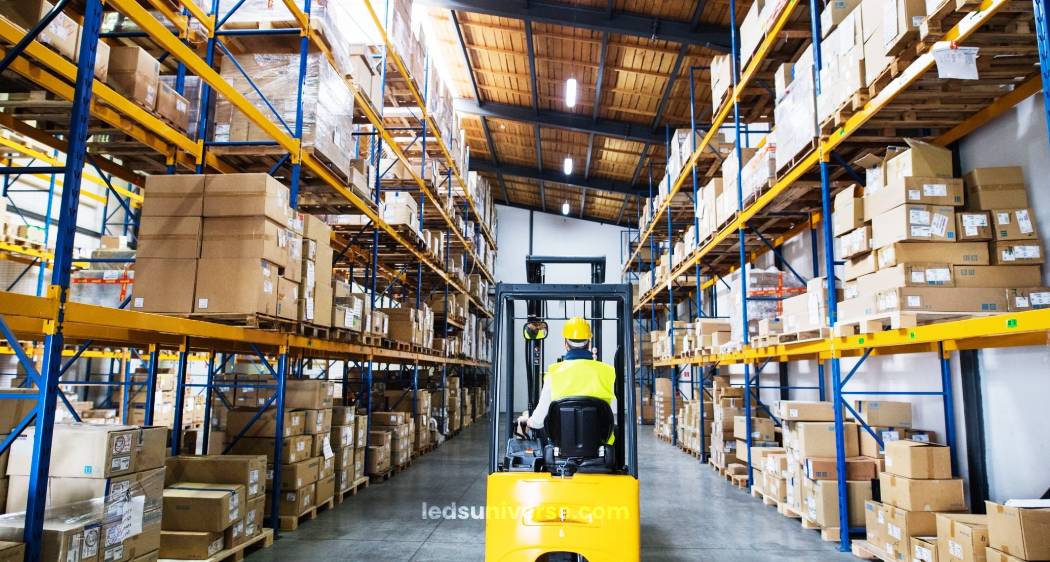
Electrical installation is where much of the hidden complexity — and cost — of warehouse lighting systems emerges. In straightforward retrofit scenarios where old metal halide or fluorescent fixtures are being replaced with new LEDs using the same mounting points and existing branch circuits, the costs are generally modest. Electricians may simply swap out the old fixtures, reuse the wiring, and make minor adjustments. In these cases, installation might average between $50 to $75 per fixture. For a project involving 250 fixtures, this means a total labor cost of roughly $12,500 to $18,750.
However, many warehouse projects are not this simple. Facilities built decades ago often have outdated panels that lack capacity for additional lighting loads, or wiring that does not comply with modern codes. Even though LEDs reduce amperage draw compared to legacy systems, a full overhaul may still be required to distribute circuits properly and meet safety standards. New conduit runs, junction boxes, or step-down transformers might be needed. In these more extensive installations, labor can jump to $100 to $150 per fixture, bringing the total installation spend to between $25,000 and $37,500 for the same 250-fixture scenario. Additionally, regional wage differences mean that large metro areas with union labor or prevailing wage contracts often see electrical rates 20% to 40% higher than smaller markets. The necessity of bringing in licensed master electricians to oversee compliance and sign off on local inspections further raises costs. In new construction, these numbers can climb even higher since installation often involves extensive coordination with other trades, such as HVAC ducting and sprinkler systems, to ensure clearances for lighting are maintained throughout the building skeleton.
Additional Structural Costs
Beyond the purely electrical work, many warehouses incur structural-related expenses tied to how and where fixtures are mounted. Buildings with exceptionally high ceilings — for example, over 35 feet — typically require specialized lifts or boom trucks to position fixtures during installation. Renting this equipment can add $500 to $1,500 per day to the project budget, depending on the reach height and local availability. If installation takes several weeks due to warehouse size or staging constraints with ongoing operations, lift rentals alone might accumulate to $10,000 to $20,000 over the course of a full install.
Warehouses with non-standard roof structures or wide-span trusses sometimes demand custom mounting brackets to secure fixtures safely. A bracket kit might add $25 to $50 per fixture, but for certain lightweight roof decks or seismic zones requiring engineering certification, this cost can escalate further. Additionally, in spaces with heavy forklift or automated guided vehicle (AGV) traffic, operators often install protective cages or impact guards around lower-mounted fixtures or wall packs to shield them from collisions. These protective measures might add another $50 to $100 per unit in combined hardware and extra labor. Over hundreds of fixtures, these seemingly minor additions can easily contribute an extra $10,000 to $15,000 to the overall installation cost. All these factors underscore why even well-planned warehouse lighting projects often see installation expenses that approach half the cost of the fixtures themselves — and why taking time to carefully map out infrastructure, mounting methods, and traffic patterns can help control both immediate outlays and future repair needs.
Lift Rentals and Elevated Work Requirements
Beyond standard electrical labor, many warehouses with high ceilings require specialized lift equipment to install lighting at elevation. In facilities where ceilings exceed 35 feet, typical ladders or scissor lifts are often inadequate, necessitating boom lifts or telescopic handlers that can safely reach these heights. Renting such equipment can range from $500 to $1,500 per day depending on local demand, height capacity, and safety certifications. If the warehouse is large or the project is staged to keep sections operational during installation, lifts might be on site for several weeks, pushing total rental expenses to between $10,000 and $20,000. Additionally, many contractors charge higher hourly rates for certified lift operators, which can add another 15% to 25% in labor costs when compared to straightforward ground-level electrical work. These elevated work challenges are a frequent reason why warehouse installation expenses swell well beyond initial estimates.
Custom Mounting, Brackets, and Protective Fixtures
Another category of structural costs stems from the unique needs of the warehouse’s architecture and operational environment. Buildings with lightweight or unconventional roof structures often cannot support direct fixture mounting without engineered brackets or load-spreading plates. A standard bracket kit might add $25 to $50 per fixture, but more robust solutions for seismic zones or fragile roof decks can climb even higher. For a warehouse with 250 fixtures, this means an additional $6,000 to $12,500 purely in mounting hardware. Meanwhile, in busy industrial spaces with dense forklift or AGV traffic, it is common to install protective cages or impact guards around low-mounted wall packs and doorway lights to prevent accidental collisions. These safety measures may tack on another $50 to $100 per unit in combined hardware and labor. When scaled across dozens of vulnerable fixtures, the total for protective add-ons can easily reach $10,000 to $15,000. Careful planning to incorporate these features upfront not only moderates long-term repair costs but also helps maintain consistent illumination levels by reducing fixture damage over time.
Running Costs: Electricity
| Description | Figures | Notes |
|---|---|---|
| 400W Metal Halide Fixture Daily Energy Use | 4 kWh per fixture (10 hrs/day) | Older technology, high consumption |
| 250 Metal Halide Fixtures Total Daily Energy Use | ~1,000 kWh/day | Example warehouse scenario |
| Metal Halide Fixtures Monthly Energy Use | ~30,000 kWh/month | 250 fixtures, 10 hrs/day, 30 days |
| 150W LED Fixture Daily Energy Use | 1.5 kWh per fixture (10 hrs/day) | Modern energy-efficient option |
| 250 LED Fixtures Total Daily Energy Use | 375 kWh/day | Example warehouse scenario |
| LED Fixtures Monthly Energy Use | ~11,250 kWh/month | 250 fixtures, 10 hrs/day, 30 days |
| Warehouse Lighting Monthly Power Bill (LED, 200 fixtures) | $1,080 | At $0.12 per kWh, 10 hrs/day operation |
| Warehouse Lighting Annual Power Bill (LED, 200 fixtures) | $13,000 | At $0.12 per kWh |
| Warehouse Lighting Monthly Power Bill (Metal Halide, 200 fixtures) | $2,900 | At $0.12 per kWh, 10 hrs/day operation |
| Warehouse Lighting Annual Power Bill (Metal Halide, 200 fixtures) | $34,000 | At $0.12 per kWh |
| LED Fixtures 20 hrs/day Monthly Energy Use (250 fixtures) | ~22,500 kWh/month | Extended shift operation |
| Demand Charge Rate | $10 to $20 per kW | Varies by region and utility |
| Instantaneous Peak Load (250 fixtures at 150W) | 37.5 kW | All fixtures turning on simultaneously |
| Potential Demand Charge per Peak Event | $375 to $750 | Based on peak load and rate |
After the initial investment in lighting design, fixtures, and installation, the largest recurring cost of operating a warehouse lighting system comes from the electricity needed to keep the space illuminated day after day. Unlike the capital costs that are largely confined to the start of a project, energy expenses accumulate steadily across every month and year of a warehouse’s life. The total impact of these running costs depends on several factors, including the type of fixtures used, their wattage, the daily hours of operation, and local utility rates. Because lighting often represents 20% to 40% of a typical warehouse’s overall electricity bill, even small improvements in efficiency or smart control can translate into thousands of dollars saved annually. This is why understanding the nuances of lighting energy consumption is crucial when evaluating the long-term cost profile of a warehouse facility.
Understanding Energy Consumption
Every warehouse lighting system draws power that is measured in kilowatt-hours (kWh), which utilities use to calculate the monthly bill. The type of lighting technology installed plays an outsized role in determining just how much electricity is consumed. For instance, a standard 400-watt metal halide fixture operating for 10 hours each day will use approximately 4 kWh daily. Multiply that by 250 fixtures in a large distribution center, and lighting alone could consume about 1,000 kWh every single day. Over the course of a 30-day month, this results in an astonishing 30,000 kWh just for lighting.
By comparison, modern LED high bay fixtures rated around 150 watts for the same mounting heights and light levels use roughly 1.5 kWh daily per fixture under identical 10-hour operations. In a warehouse with 250 LED fixtures, this equates to just 375 kWh per day or about 11,250 kWh monthly — a reduction of more than 60% compared to older HID systems. These differences highlight why many warehouse operators prioritize LED retrofits or new installations: lower wattages not only shrink power bills but also reduce the strain on electrical infrastructure, which can defer costly upgrades to panels or transformers. Additionally, LEDs maintain their lumen output more consistently over time, meaning warehouses avoid the temptation to “over-light” initially to compensate for future lamp depreciation, which would otherwise push consumption even higher.
Impact of Operating Hours
The number of hours the lighting system runs each day dramatically influences total electricity usage. Many standard warehouses operate in single-shift patterns, keeping lights on for 8 to 10 hours daily, five days a week. However, facilities supporting e-commerce fulfillment or high-velocity distribution may operate with two or even three shifts, pushing lighting run times to 16 to 20 hours per day or nearly continuous operation. Under these conditions, the power draw from lighting easily doubles or triples. For example, the same facility with 250 LED fixtures at 150 watts each running 20 hours a day would consume close to 22,500 kWh monthly, effectively halving the cost advantage of LEDs over metal halide if not managed with controls. This is why pairing high-efficiency fixtures with occupancy sensors and daylight harvesting becomes critical in multi-shift or around-the-clock operations.
Monthly and Annual Power Bills
Once total energy usage is calculated, actual power bills depend on local electricity rates. In the United States, these rates vary widely, typically ranging from about $0.08 to $0.25 per kWh. Warehouses located in industrial power hubs like parts of the Midwest might pay closer to $0.09 per kWh, while facilities in California or the Northeast can routinely see rates above $0.20 per kWh. Applying this to a medium-sized warehouse with 200 LED high bays at 150 watts each, operating 10 hours daily, results in monthly energy use of around 9,000 kWh. At an average rate of $0.12 per kWh, this leads to a monthly lighting bill of approximately $1,080, or roughly $13,000 per year.
Comparing Older Systems
If the same warehouse were still using 400-watt metal halide fixtures, monthly lighting energy use would soar to about 24,000 kWh, producing a monthly bill of nearly $2,900 and annual lighting costs exceeding $34,000 at the same utility rate. This means simply upgrading to LED fixtures in this scenario would save roughly $21,000 each year in electricity alone. In regions with high power costs, the savings could be even more pronounced — sometimes reaching $30,000 to $40,000 annually depending on hours and rates. Over a typical 10-year lifespan for an LED system, these energy savings add up to hundreds of thousands of dollars, greatly outweighing the initial price difference between LED and older HID systems.
Hidden Charges: Demand Fees and Peak Loads
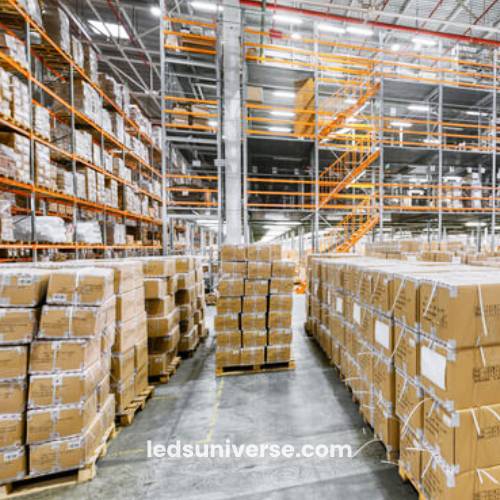 In addition to the straightforward cost of kilowatt-hours consumed, many warehouses face an often overlooked but potentially substantial component of their electric bills known as demand charges. Unlike regular energy charges, which are based on the total electricity used over a billing period, demand charges are assessed based on the highest level of power drawn over a short interval—typically a 15-minute or 30-minute peak during the month. This billing method is designed by utilities to cover the costs associated with maintaining infrastructure capable of handling peak loads, such as transformers, substations, and distribution lines. For warehouse lighting systems, this means that even if overall energy consumption remains moderate, a sudden surge in power use can cause unexpectedly high fees.
Large-scale warehouse lighting often involves hundreds of fixtures turning on simultaneously, especially at the start of a shift or following a scheduled blackout period. For example, consider a facility with 250 LED high bay fixtures each rated at 150 watts. When all these fixtures energize at the same moment, the instantaneous power demand can spike to approximately 37.5 kilowatts (kW). Utilities typically charge demand fees ranging from $10 to $20 per kW, depending on the region and tariff structure. Thus, this single peak event could add anywhere from $375 to $750 or more to the monthly electricity bill, irrespective of the overall energy consumed during the month.
Demand charges can represent a sizable portion of a warehouse’s total lighting expense, sometimes accounting for 20% or more of the monthly electric bill. Without careful management, these fees can erode the savings gained by installing energy-efficient LED fixtures. Warehouses operating multiple shifts or running continuous lighting need particular attention to demand charges, as frequent cycling of large lighting loads or startup surges from other heavy equipment can combine to create multiple peak periods.
To combat these costly spikes, modern lighting systems increasingly incorporate strategies to smooth out power demand. One common approach is installing staggered startup controls, which sequence fixture activation over several minutes instead of all at once. This technique spreads the electrical load more evenly and significantly reduces peak power draws. Another effective solution is the use of soft start drivers in LED fixtures, which gradually ramp up current to the LEDs rather than delivering full power immediately. Both methods not only help avoid hefty demand penalties but also reduce stress on electrical components, potentially extending their service life.
Beyond internal controls, some warehouses coordinate with their utility providers to participate in demand response programs. These initiatives offer financial incentives for reducing power consumption during peak grid demand periods, further lowering overall operating costs. In combination with advanced lighting controls such as occupancy sensors and daylight harvesting, managing demand charges is a powerful way to optimize running costs while maintaining safe and effective warehouse illumination.
Maintenance and Replacement Costs
| Description | Figures | Notes |
|---|---|---|
| Lamp Lifespan (Metal Halide) | 15,000 to 20,000 hours | Requires replacement every 1.5 to 2 years at 10 hrs/day |
| Ballast Lifespan | ~50,000 hours | Can fail unexpectedly, increasing maintenance needs |
| LED Lifespan | 50,000 to 100,000 hours | Often lasting 10 to 20 years or more |
| Labor Cost per Fixture Replacement | $50 to $100 | Excludes parts and equipment rental |
| Lift Rental Costs | $200 to $500 per day | Depends on equipment type and region |
| Annual Labor Cost Example (500 fixtures) | $25,000 to $50,000 | For annual lamp replacement cycle |
| Maintenance & Replacement Costs as % of Initial Investment (Traditional Lighting) | 20% to 30% | Over system lifespan |
| Maintenance Cost Reduction (LED vs Traditional) | ~50% reduction | Due to longer lifespans and reliability |
| Overtime Labor Rates | 1.5x to 2x standard wage | For off-hours maintenance to reduce disruptions |
Maintaining warehouse lighting systems over time involves more than just periodic bulb changes. The costs related to upkeep, including labor, equipment rentals, replacement parts, and the indirect impact of operational disruptions, can add up significantly. These ongoing expenses vary widely depending on the type of lighting technology in use, the scale of the facility, and how accessible fixtures are for maintenance personnel. While newer LED systems offer substantial reductions in maintenance frequency, warehouses using traditional HID or fluorescent fixtures often face a steady cycle of replacements that add to their total cost of ownership over years. Understanding these maintenance dynamics is crucial for evaluating the true lifetime costs of warehouse lighting solutions.
Frequency of Lamp and Ballast Changes
Conventional warehouse lighting technologies such as metal halide or high-pressure sodium lamps generally have relatively short lifespans. For example, metal halide bulbs typically last between 15,000 and 20,000 hours, requiring replacement roughly every 1.5 to 2 years if the lights run 10 hours per day. Ballasts, which regulate the current to these lamps, tend to last longer, often around 50,000 hours, but can still fail unexpectedly, leading to costly emergency replacements.
Frequent lamp replacements create recurring expenses not only for purchasing bulbs but also for the labor involved in removing old lamps and installing new ones. Given that most warehouse ceilings are elevated — often between 25 and 40 feet — maintenance crews generally require scissor lifts, boom lifts, or other specialized equipment. This increases the complexity and cost of each maintenance visit.
LED Systems and Reduced Maintenance Needs
In contrast, LED fixtures have drastically extended lifespans. Many high-quality LED warehouse lights are rated to last between 50,000 and 100,000 hours before their brightness falls below 70% of the original output. This means that in typical warehouse operating conditions, LED lamps may not need replacement for 10 to 20 years or more, effectively eliminating the frequent lamp change cycle associated with HID systems.
Additionally, LED drivers—the electronic components that regulate power to the LEDs—are generally more reliable and have longer operational lives than traditional ballasts. This translates to fewer unexpected failures and emergency repairs. The result is a major reduction in maintenance costs and fewer disruptions to warehouse operations.
Labor and Disruption Costs

Labor expenses represent a substantial portion of warehouse lighting maintenance costs, often rivaling or exceeding the cost of replacement parts themselves. Replacing a single lamp or fixture in a large warehouse is rarely a simple task. Due to the typical ceiling heights of 25 to 40 feet or more, maintenance teams must rely on specialized equipment such as scissor lifts, boom lifts, or aerial work platforms to safely reach and work on lighting fixtures. The need for certified operators and skilled electricians further increases labor rates. In most cases, the cost to service or replace one fixture ranges between $50 and $100 per unit, excluding the price of lamps or components.
For warehouses with hundreds or even thousands of fixtures, these labor costs add up quickly. For example, a facility with 500 fixtures facing an annual lamp replacement cycle may spend between $25,000 and $50,000 annually just on the labor required to maintain lighting. This figure does not include expenses for unexpected repairs or emergency service visits, which tend to command higher rates due to urgency and after-hours scheduling.
Beyond the direct labor costs, maintenance activities often disrupt normal warehouse operations. Deploying lifts and technicians in active aisles or storage areas can necessitate temporarily closing off sections of the facility. This creates logistical challenges such as rerouting material handling equipment, rescheduling workflows, or pausing certain tasks. In high-throughput distribution centers, even short interruptions can cascade into significant productivity losses, increased labor overtime, or delays in order fulfillment.
Additionally, renting or leasing the necessary lifting equipment itself contributes to maintenance expenses. Lift rentals can range from $200 to $500 per day depending on equipment type and region. If maintenance work requires multiple days or repeated visits, these rental fees accumulate. Warehouses operating multiple shifts may find it necessary to schedule maintenance during off-hours or weekends to minimize disruptions, often incurring premium labor rates of 1.5 to 2 times the standard hourly wage.
All these factors mean that the true cost of maintaining warehouse lighting extends far beyond the price of replacement lamps or ballasts. Warehouse managers must carefully weigh the operational impact of maintenance visits alongside direct expenses to build an accurate picture of total ongoing costs.
Long-Term Maintenance Cost Implications
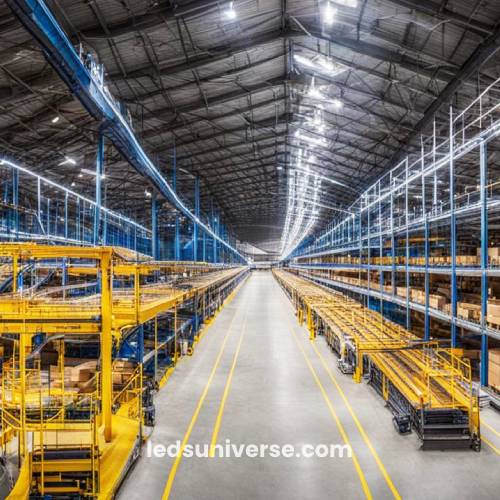 Over the typical lifespan of a warehouse lighting system, maintenance and replacement costs can add between 20% and 30% of the initial capital investment for traditional lighting technologies like metal halide. This includes labor, parts, equipment rentals, and indirect costs related to operational disruptions. Such recurring expenses significantly increase the total cost of ownership and reduce the financial benefits of initial purchase discounts on cheaper fixtures.
In contrast, LED lighting systems substantially lower maintenance-related expenses. Due to their extended lifespans—often lasting 50,000 to 100,000 hours—LED fixtures require far fewer lamp changes and fewer maintenance interventions overall. This translates to cutting maintenance labor costs by at least half in many cases. Moreover, LED drivers tend to be more reliable, reducing emergency service calls and unexpected downtime.
Investing in LEDs not only delivers ongoing energy savings but also streamlines maintenance budgets. Facilities experience fewer disruptions, less equipment rental time, and reduced overtime costs. The resulting predictability in maintenance expenditures helps warehouse operators better plan their operational budgets and optimize staffing. Over time, these savings combine to make LED lighting an economically sound choice, especially for warehouses aiming for long-term efficiency and reliability.
Opportunities to Offset Costs
Investing in warehouse lighting can require substantial upfront and ongoing expenses, but many organizations find that various incentives and strategic approaches help reduce the overall financial burden. From utility rebates to government grants and tax credits, a variety of programs exist to encourage businesses to adopt energy-efficient lighting technologies. These opportunities not only decrease initial capital costs but also improve the return on investment by accelerating payback timelines. Additionally, integrating intelligent lighting controls helps optimize energy consumption and further lower operational expenses over the system’s life. Understanding and leveraging these cost-offsetting options can make high-performance warehouse lighting more accessible and economically attractive.
Utility Incentives and Government Rebates
Across the United States and many other countries, utilities and government agencies actively promote energy efficiency improvements in commercial facilities, including warehouses, by offering a diverse array of financial incentives. These programs aim to encourage the adoption of high-efficiency lighting systems that reduce electricity consumption, lower greenhouse gas emissions, and decrease peak demand pressures on the electrical grid. One of the most common and accessible forms of financial support is rebate programs, which provide a direct cash return based on the amount of energy savings achieved by upgrading from older, less efficient lighting technologies to newer, energy-saving options such as LED fixtures.
Rebates are typically calculated on a per-watt basis, rewarding projects for the wattage reduction achieved compared to the existing lighting setup. These rebates generally range from $0.05 to $0.20 per watt reduced, depending on the utility provider, regional policies, and the specific technology deployed. To illustrate, consider a warehouse replacing 200 metal halide fixtures rated at 400 watts each with modern LED fixtures that consume approximately 150 watts. This conversion yields a net wattage reduction of 50,000 watts (or 50 kW). Assuming a rebate value of $0.10 per watt reduced, the warehouse operator could receive a rebate totaling around $5,000—a meaningful offset to project costs.
These rebate incentives can substantially improve the financial viability of lighting upgrades by directly lowering upfront capital requirements. Furthermore, many utility programs include tiered or enhanced rebate structures to encourage the use of additional energy-saving measures such as advanced lighting controls, motion sensors, and daylight harvesting technologies, which can increase the rebate amount even further.
Beyond rebates, some programs provide direct grants or incentives that cover a larger portion of project costs—often including not just equipment but also design, installation, and commissioning expenses. These grants may cover anywhere from 20% to 50% of the total project cost, depending on eligibility criteria and funding availability. For instance, a warehouse undertaking a lighting retrofit with a total investment of $100,000 might qualify for a grant award of up to $50,000, effectively cutting the net investment in half.
Such grants can significantly accelerate the return on investment by reducing the capital burden and shortening the payback period. In many cases, projects that might otherwise require several years to recoup costs through energy savings can see payback timelines shrink to under one year. This makes lighting upgrades not only a sustainable choice but also a financially attractive one, encouraging broader adoption across the industry.
It is important to note that each incentive program has unique requirements, including specific application processes, documentation standards, and deadlines. Warehouses seeking to benefit from these opportunities should thoroughly research local and regional programs, often facilitated by utility websites, state energy offices, or energy consultants. Timely applications and compliance with program guidelines ensure successful grant or rebate awards and help maximize the financial support available for warehouse lighting projects.
Tax Credits and Accelerated Depreciation
In addition to rebates and grants, warehouse operators may benefit from tax-related incentives. The U.S. federal government, as well as many state and local jurisdictions, offer tax deductions or credits for investments in energy-efficient equipment. For example, the Section 179D tax deduction allows commercial property owners to deduct up to $1.80 per square foot for energy-efficient lighting upgrades, depending on performance criteria met.
Accelerated depreciation schedules can also improve cash flow by allowing businesses to write off the cost of LED lighting installations faster than with standard depreciation. Rather than depreciating lighting assets over the typical 15 to 20 years, accelerated schedules might allow recovery within 5 years or less, effectively reducing taxable income in the early years after installation.
Grants from Energy Efficiency Programs and Environmental Initiatives
Beyond the rebates and incentives offered by utility companies, a growing number of government agencies, nonprofit organizations, and regional coalitions provide grant funding specifically aimed at encouraging sustainable building upgrades. These grants are often part of broader energy efficiency programs or environmental initiatives designed to reduce carbon emissions, promote renewable energy, and support climate goals. Warehouses, as large commercial energy consumers, frequently qualify for these programs, which can significantly help offset the costs of converting to energy-efficient lighting systems such as LEDs.
State energy offices, departments of environmental quality, and regional energy alliances commonly administer these grant programs. Their goal is to incentivize businesses to adopt greener technologies that might otherwise face financial barriers due to high upfront costs. For warehouses, lighting modernization is often a prime candidate for funding, as lighting retrofits can deliver quick and measurable energy savings. These grants are typically competitive and project-based, meaning applicants must submit proposals detailing how the lighting upgrade will reduce energy use and environmental impact.
Grant awards for warehouse lighting projects vary widely but generally fall within the range of $10,000 to $100,000 or more. The exact amount depends on the size and scope of the project, the total investment, and the estimated energy savings. Larger warehouses undertaking comprehensive lighting upgrades may qualify for the higher end of this range. Many grant programs also encourage incorporating complementary technologies such as lighting controls, daylight harvesting, or integration with building management systems to maximize efficiency.
While the financial benefits of these grants can be substantial, they come with rigorous requirements. Recipients are often required to demonstrate measurable energy savings through monitoring and reporting. Some programs mandate post-installation verification, energy audits, or performance testing to confirm that the projected benefits have been realized. This ensures accountability and maximizes the program’s impact on regional energy goals.
Eligibility and Application Process
Applying for grants from energy efficiency or environmental programs generally involves a multi-step process. Prospective applicants must prepare detailed project proposals that outline the scope of work, expected energy savings, costs, and timelines. Many grant programs require an energy audit or an engineering assessment as part of the application to establish a baseline of existing lighting performance and justify the projected improvements.
Because these grants are competitive and funding is limited, early preparation is essential. Deadlines can be strict, and the volume of applications can create significant competition. Documentation requirements vary but often include technical specifications, project budgets, proof of business registration, and sometimes letters of support or endorsements.
To improve the chances of successful approval, warehouses frequently engage energy efficiency consultants or grant specialists who understand the application nuances. These professionals assist in compiling the necessary documentation, calculating energy savings, and crafting compelling proposals aligned with program objectives.
Overall, grants from these programs provide a valuable source of funding that can greatly reduce the financial barriers to implementing modern, efficient warehouse lighting. By planning ahead and leveraging expert guidance, warehouse operators can take full advantage of these opportunities to enhance sustainability and reduce operational costs.
Strategic Use of Controls
Integrating advanced lighting control technologies has become an increasingly effective strategy to significantly reduce warehouse lighting energy consumption, often by 30% to 50%. These controls include occupancy sensors that detect movement and automatically switch lights on or off, daylight harvesting systems that adjust artificial lighting based on available natural light, and programmable timers that ensure lights operate only when needed. Although incorporating such systems raises the initial cost of the lighting installation, the substantial and ongoing reductions in electricity usage typically offset the upfront expense within a few years.
Consider a warehouse with a lighting system that consumes approximately 30,000 kWh monthly. By employing occupancy sensors and daylight-responsive dimming controls, energy usage could potentially be cut by as much as 15,000 kWh each month. At a commercial electricity rate of $0.12 per kWh, this translates into monthly savings of around $1,800, or roughly $21,600 annually. These savings directly lower operational costs and can provide additional financial flexibility to delay or reduce the scale of future capital investments for lighting upgrades or facility expansions.
Beyond direct energy savings, lighting controls also help extend the service life of fixtures by reducing run-time and preventing unnecessary operation. By limiting wear and tear, controls reduce maintenance costs and increase the time between fixture replacements, enhancing overall cost-effectiveness.
Compatibility with Incentive Programs
Many utility rebate and government grant programs explicitly encourage the use of lighting controls by offering enhanced incentives for projects that integrate these technologies. In some cases, the presence of occupancy sensors, daylight harvesting, or advanced scheduling systems increases the rebate amounts by an additional 10% to 30% compared to rebates offered for fixture replacements alone. This policy incentivizes warehouses to adopt comprehensive, energy-saving lighting solutions rather than focusing narrowly on fixture swaps.
Moreover, advanced lighting controls contribute to lowering peak demand charges, which can be a significant component of monthly utility bills for large commercial operations. By automatically dimming or switching off lights in unoccupied zones or when sufficient daylight is available, control systems reduce sudden spikes in power consumption. This smoothing of electrical demand helps avoid costly demand fees assessed by utilities during peak load intervals.
The integration of lighting controls therefore offers a twofold benefit: reducing both the total kilowatt-hours consumed and the peak power draw. This combination magnifies the financial advantages of an energy-efficient lighting retrofit, improving the overall return on investment and supporting sustainable warehouse operations.
How Long Before It Pays Off?
Simple Payback Period
Warehouse owners and operators frequently use the simple payback period as an initial metric to evaluate whether a lighting upgrade is financially viable. This straightforward calculation involves dividing the total installed cost of the new lighting system by the annual savings generated from reduced electricity consumption, lower maintenance expenses, and any applicable incentives such as rebates or tax credits. The resulting number indicates the approximate number of years it will take for the investment to “pay for itself” purely through cost savings.
In today’s market, LED warehouse lighting projects commonly achieve simple payback periods ranging from 2 to 4 years, although this can vary widely depending on factors such as local electricity rates, warehouse operating hours, and the availability of utility rebates or government incentives. For example, warehouses operating lighting systems for 10 to 16 hours per day benefit from greater annual energy savings compared to facilities with shorter operating hours, thus shortening the payback time. Additionally, regions with higher electricity prices or more generous rebate programs naturally accelerate the return on investment.
However, the simple payback period does not capture all aspects of a lighting upgrade’s value, and should be viewed as one part of a comprehensive financial analysis.
Total Cost of Ownership
To gain a more complete understanding of the long-term financial impact of a warehouse lighting project, many operators consider the total cost of ownership (TCO). This broader metric accounts not only for the initial purchase and installation expenses, but also incorporates ongoing costs related to electricity consumption, routine and emergency maintenance, and eventual disposal or replacement of lighting components. TCO enables facility managers to evaluate how different lighting technologies perform financially over their entire service lives, often spanning 10 to 15 years or more.
While a low-cost metal halide system may appear attractive due to a lower initial purchase price, the picture changes when factoring in the recurring costs associated with frequent lamp replacements, ballast failures, and higher electricity usage. Metal halide lamps typically require replacement every 15,000 to 20,000 hours, necessitating costly maintenance interventions and potential disruptions to warehouse operations. These labor-intensive activities, coupled with the higher wattage draw of metal halide fixtures, can cause annual operating costs to significantly exceed those of LED alternatives.
On the other hand, high-quality LED fixtures offer lifespans ranging from 50,000 to 100,000 hours, dramatically reducing replacement frequency and associated maintenance costs. Their superior energy efficiency — often using 40% to 60% less electricity than metal halide lamps — further drives down operational expenses. When calculated over a decade or more, these savings frequently outweigh the higher initial capital investment in LED technology.
In addition, LED systems tend to have better performance characteristics, such as instant-on capability, improved color rendering, and compatibility with advanced controls, which can enhance workplace safety and productivity—factors sometimes incorporated into a facility’s economic evaluation.
Ultimately, TCO provides a clearer, more realistic picture of the true financial impact of a lighting upgrade. It highlights that while the upfront costs may be higher for LEDs, the long-term savings and operational benefits often make them the more economical choice over the lifespan of the lighting system.
Special Considerations for Different Warehouses
Warehouse lighting needs can vary significantly depending on the type of facility, its operational environment, and layout. While many general principles apply across warehouses, specialized conditions call for tailored lighting solutions. These adaptations not only affect the initial design and equipment selection but also influence installation complexity, ongoing maintenance, and overall costs. Understanding these unique factors helps ensure that lighting systems meet operational requirements effectively and efficiently.
Cold Storage and Temperature Impacts
Cold storage warehouses present distinct challenges for lighting systems due to their consistently low temperatures, often well below freezing. Traditional lighting technologies such as fluorescent and metal halide lamps tend to experience diminished performance in these environments. Fluorescent lamps, in particular, can suffer from delayed starts, reduced lumen output, and shortened lifespans when exposed to cold conditions. Metal halide lamps may also have slower warm-up times and increased failure rates.
LED lighting, by contrast, performs exceptionally well in cold storage settings. The semiconductor components used in LEDs benefit from lower operating temperatures, which can actually extend the fixture’s lifespan by reducing thermal stress. This makes LEDs highly suitable for refrigerated warehouses, cold rooms, and freezer environments. However, cold storage applications often require specialized fixture enclosures that are sealed to protect against moisture, condensation, and ice buildup. These sealed or vapor-tight fixtures generally come at a premium compared to standard models, increasing initial capital costs.
Installation in cold environments can be more complex and costly. For example, wiring and mounting hardware must be selected to withstand temperature fluctuations and prevent brittleness or corrosion. Additionally, fixtures may need to be positioned to avoid direct exposure to water spray or condensation-prone areas, which can require customized mounting solutions. All these factors can add 10% to 25% to installation costs compared to standard warehouse lighting setups.
Warehouses with Tall Racks and Narrow Aisles
Warehouses that feature very tall storage racks, sometimes exceeding 40 feet, or have narrow aisle widths pose unique lighting design challenges. High vertical storage creates significant shadows and dark zones if lighting is not carefully planned, making it difficult for workers and automated systems to safely navigate and operate efficiently. Similarly, narrow aisles limit fixture placement options and often require more focused or directional lighting solutions.
To address these challenges, lighting designers frequently employ fixtures with narrow beam angles and carefully engineered optics that concentrate light precisely where it is needed. Vertical aisle lighting—fixtures mounted on the rack structures themselves—can also supplement traditional overhead high bays to illuminate shelves directly, improving visibility in shadowed areas. This approach usually increases the total fixture count, raising equipment and installation costs.
Despite the higher upfront investment, enhanced lighting uniformity in tall racking and narrow aisle warehouses has tangible benefits. Improved visibility reduces the likelihood of accidents, damages, and inventory errors. Studies have shown that well-lit warehouses experience fewer operational mishaps, which can translate into significant cost savings over time, often outweighing the additional lighting expenses.
High-Bay vs. Low-Bay Warehouse Applications
Warehouse ceiling height dramatically influences lighting selection and design. High-bay warehouses—typically with ceilings over 25 feet—require powerful fixtures capable of delivering intense, evenly distributed illumination over large areas from greater distances. LED high bay fixtures with lumen outputs between 18,000 and 40,000 lumens are common in these applications, designed to minimize shadows and maintain visual comfort for workers.
Low-bay warehouses, with ceilings generally under 20 feet, have different requirements. Lower mounting heights reduce the need for extremely high lumen outputs, allowing the use of fixtures with wider beam angles to achieve uniform lighting. The choice between high-bay and low-bay fixtures affects not only fixture costs but also energy consumption patterns and maintenance complexity. Low-bay lighting systems are often simpler and less expensive to install and maintain but must still meet the facility’s operational demands.
Warehouses with 24/7 Operations
Facilities operating around the clock place additional demands on lighting systems. Extended run times mean energy consumption is significantly higher, increasing the importance of energy efficiency to keep operating costs manageable. Lighting components must be highly reliable to minimize downtime and maintenance disruptions, which could affect productivity and safety.
In these warehouses, lighting controls like occupancy sensors and dimmers are critical for reducing energy use in unoccupied areas during off-peak hours. Additionally, redundancy in lighting circuits or fixtures may be implemented to ensure continuous illumination in the event of failures. The cost of these features should be considered alongside the increased energy and maintenance savings they provide over the lifespan of the lighting system.
Hazardous or Specialized Warehouses
Some warehouses store hazardous or flammable materials, requiring lighting equipment certified for explosive or corrosive environments. These fixtures are built with special housings, materials, and safety features that comply with strict regulations such as Class I Division 2 or ATEX standards. Specialized lighting tends to carry a substantial price premium—often costing two to three times more than standard industrial fixtures—and may demand more complex installation procedures.
Choosing the right lighting for these environments involves balancing safety, compliance, and cost. Failure to meet regulatory standards can result in severe penalties, while over-specifying can inflate expenses unnecessarily. Engaging lighting professionals familiar with hazardous location requirements is highly recommended to achieve a compliant and cost-effective solution.
Conclusion
Lighting a warehouse comes with a wide range of expenses that extend well beyond the upfront price of fixtures. From the initial design and engineering fees to the purchase of lamps, installation by skilled electricians, and the ongoing costs of electricity and maintenance, the true cost of keeping a warehouse properly lit accumulates across many areas. By factoring in utility rebates, advanced lighting controls, and the much lower maintenance demands of modern LED systems, warehouse operators can often find ways to dramatically reduce the long-term financial burden. Investing in efficient lighting does more than lower energy bills; it improves visibility, enhances safety, and supports overall operational effectiveness. Over the full lifespan of the system, careful choices about lighting can turn what initially looks like a steep cost into one of the smartest financial decisions for any warehouse facility.