
Proper lighting at race tracks enhance safety, and improving the experience for drivers, spectators, and broadcast coverage. Lighting needs vary widely depending on the type of racing, track size, event duration, and ambient conditions. This discussion covers how many lux and foot-candles different race tracks typically require, referencing Formula 1 (F1), 24-hour endurance races, go-kart tracks, NASCAR, and others.
Comparative Lux and Foot-Candle Levels by Race Track Type
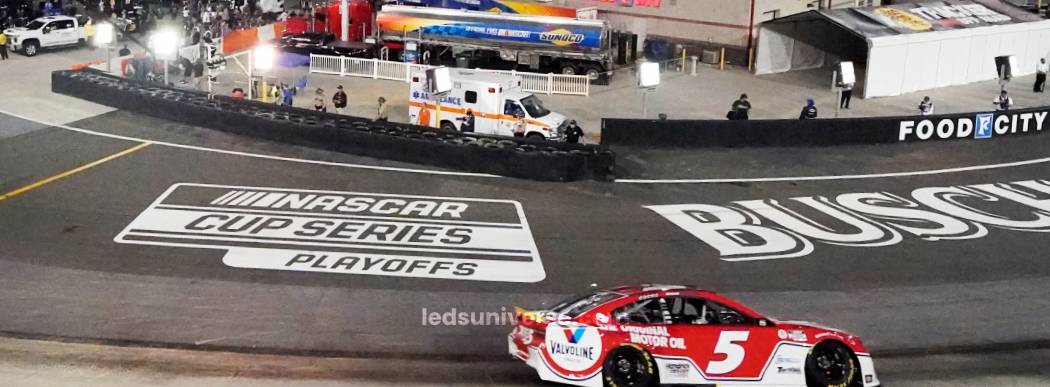
When comparing different types of race tracks, illumination needs reflect the unique demands of each racing environment. Formula 1 circuits demand some of the highest lux levels due to their speed, global broadcast requirements, and technical complexity. Endurance races balance lighting over extended periods, focusing on steady and reliable illumination. NASCAR tracks, with wide ovals and high speeds, need bright and uniform lighting across large areas.
Go-kart tracks operate with more modest lighting, suited to lower speeds and smaller footprints. Each track type uses a lighting design tailored to its operational and safety needs, with lux levels adjusted accordingly to support driver performance and event presentation.
| Race Track Type | Typical Lux Range | Foot-Candles (approx.) |
|---|---|---|
| Formula 1 (F1) | 1000–2000 lux | 93–186 fc |
| Endurance (e.g., Le Mans) | 500–1000 lux | 46–93 fc |
| NASCAR | 800–1200 lux | 74–111 fc |
| Go-Kart (Indoor/Outdoor) | 100–300 lux | 9–28 fc |
Understanding Lux and Foot-Candles in Race Track Lighting
Illumination measurement forms the foundation of effective race track lighting design. To understand how lighting systems are specified and evaluated, it is essential to grasp the concepts of lux and foot-candles, two key units that describe the intensity of light on surfaces. These units provide the basis for creating lighting conditions that balance visibility, safety, and performance for racing events.
What Are Lux and Foot-Candles?
Lux and foot-candles both quantify the amount of light that falls onto a given surface, but they use different measurement scales and units. Lux measures illumination in terms of lumens per square meter, making it a metric unit widely used in most countries worldwide. Specifically, one lux equals one lumen distributed evenly across one square meter. This unit is especially common in European, Asian, and international lighting standards.
Foot-candles measure light in lumens per square foot and are primarily used in the United States and countries that employ imperial measurement systems. One foot-candle is equal to one lumen per square foot. While both lux and foot-candles represent the same physical concept of illuminance, they differ by a conversion factor of approximately 10.764—meaning one foot-candle equals roughly 10.764 lux.
Why Are These Units Important for Race Tracks?
Race tracks require tailored lighting that meets the high demands of motorsports, where visibility can directly impact performance and safety. Using lux or foot-candles as quantitative measures allows lighting designers and engineers to specify precise levels of illumination appropriate for different racing environments.
Adequate illumination ensures that drivers can see track details clearly, including turns, barriers, signage, and other competitors. It also aids race officials and pit crews in managing events efficiently. The precise measurement of light intensity helps avoid guesswork and ensures that lighting installations meet the rigorous standards set by racing authorities.
Factors Influencing Required Illumination Levels
Several factors influence how many lux or foot-candles are appropriate for a particular race track. Vehicle speed is a major consideration, as higher speeds demand brighter and more uniform lighting to allow drivers to process visual information quickly and safely. Tracks hosting Formula 1 or NASCAR events typically require much higher lighting levels compared to smaller venues like go-kart circuits.
Larger tracks with long straights and complex turns need lighting systems that provide even coverage across expansive areas. This prevents shadows and dark spots that can impair driver vision.
The level of detail required by drivers also shapes lighting needs. High-performance series require lighting that makes subtle surface changes and markings clearly visible, enabling precise driving lines and quick reactions. For lower-speed events, such as karting, less intense lighting may be sufficient.
Night races or events held in low-light conditions are often televised in high definition. Proper lighting is necessary not only for driver visibility but also to ensure clear, flicker-free video footage with accurate color representation.
The Role of Lighting in Safety and Visibility
Proper lighting directly contributes to track safety by improving driver awareness. Well-lit tracks help reveal obstacles, other vehicles, and track limits under all conditions, including night races and poor weather. By reducing eye strain and minimizing glare or contrast, effective lighting helps prevent accidents and supports consistent driver performance.
The use of lux and foot-candle measurements allows lighting systems to be designed with specific safety margins, ensuring that the track meets or exceeds minimum visibility criteria throughout racing sessions.
Converting Between Lux and Foot-Candles
Since one foot-candle equals approximately 10.764 lux, multiplying foot-candles by this factor provides the equivalent lux value, while dividing lux by the same number converts to foot-candles. This conversion helps in comparing lighting standards from different countries and applying global best practices to race track design.
Standards and Guidelines Using Lux and Foot-Candles
Various motorsport organizations and lighting standards bodies provide guidelines that specify recommended illumination levels in either lux or foot-candles. These guidelines ensure that lighting installations meet the visual demands of the racing category and conform to international safety and broadcast norms. Understanding these units is fundamental to interpreting such standards and implementing compliant lighting solutions.
Lighting Levels for Formula 1 (F1) Tracks
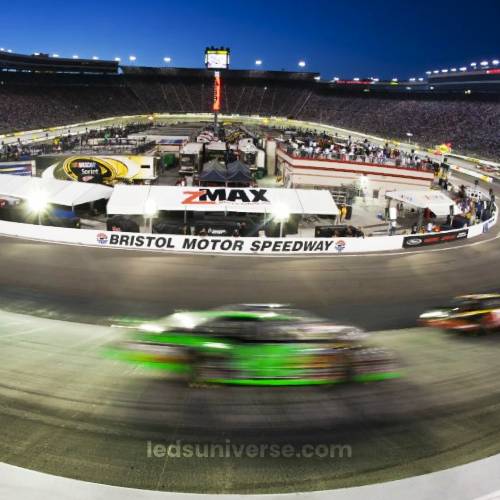
Formula 1 racing represents one of the challenging environments for lighting designers due to the extreme speeds, technical complexity of the circuits, and the global broadcasting audience. The need for precise and high-quality illumination has driven innovations in race track lighting systems that balance driver safety, race performance, and media production quality.
The Demands of Night Racing in Formula 1
Night races have become a hallmark of modern Formula 1, bringing a spectacular visual element to the sport while introducing additional lighting challenges. Events like the Singapore Grand Prix and Abu Dhabi Grand Prix are renowned for their well-lit night circuits, which allow racing to continue safely after sunset.
The lighting system must create conditions that closely simulate daylight to help drivers maintain concentration and performance. The illumination has to provide clarity on braking points, apexes, track edges, and elevation changes, all of which are vital at the high speeds F1 cars reach.
Typical Lux Levels and Their Impact on Visibility
F1 tracks usually maintain illumination levels ranging from 1000 to 2000 lux, depending on the circuit layout and specific zones. Higher lux values are often concentrated on straights and braking zones where rapid driver response is necessary, while corners also receive bright, uniform light to ensure visibility through challenging sections.
These levels of brightness help reduce visual fatigue and allow drivers to discern fine details on the track surface and surroundings. The goal is to create a lighting environment where visual cues appear crisp and consistent, aiding split-second decision-making.
Uniformity and Shadow Control in Lighting Design
One of the challenges in F1 track lighting is achieving uniform illumination. Large variations in brightness or dark shadows can disrupt driver focus, causing eye strain or momentary loss of spatial awareness.
Lighting systems are designed to minimize shadows by carefully positioning fixtures at multiple angles and heights. This layered approach prevents dark patches and ensures that surfaces are evenly lit from various perspectives, crucial during fast cornering and complex track sections.
Intense lights shining directly into drivers’ eyes can cause discomfort and impair reaction time. Optics and shielding on fixtures are engineered to direct light precisely onto the track while minimizing spillover that could create glare.
Lighting Fixtures and Technologies Used at F1 Circuits
Modern Formula 1 tracks commonly use high-intensity LED lighting systems, which offer numerous advantages over traditional metal halide or high-pressure sodium lamps. LEDs provide instant full brightness, energy efficiency, and improved control over light distribution.
The fixtures are typically mounted on poles or structures placed at strategic intervals to ensure continuous coverage along the track. The number and placement of fixtures are carefully calculated through lighting simulations to optimize both brightness and uniformity.
In some cases, hybrid systems incorporating metal halide lamps may still be in use, especially in older circuits or as supplementary lighting. However, the trend strongly favors LEDs due to their longevity, maintenance advantages, and superior light quality.
Supporting Broadcast Quality Through Lighting
Television broadcasts of F1 races have very specific lighting requirements. Cameras capturing high-speed action need flicker-free illumination with accurate color rendering to present clear, vibrant images to viewers worldwide.
Lighting systems at F1 venues are designed not only for driver visibility but also to meet stringent broadcast standards. The consistent spectral quality and steady output from LED fixtures help minimize flickering and color shifts on camera, contributing to a high-quality viewing experience.
Lighting control systems also enable dynamic adjustments to respond to weather conditions, time of day, and broadcast needs without compromising the core illumination levels required by drivers.
Maintenance and Operational Considerations
Given the global profile and demanding schedule of Formula 1, lighting systems must operate reliably throughout the racing weekend, including practice sessions, qualifying, and the main event. Maintenance programs are established to regularly check fixture alignment, brightness output, and electrical systems.
Energy consumption is also monitored, with LED systems offering notable savings compared to older technologies. This reduces the environmental footprint of night races, aligning with Formula 1’s increasing focus on sustainability.
Lux and Foot-Candle Requirements for 24-Hour Endurance Races
Endurance racing events, such as the iconic 24 Hours of Le Mans, present unique challenges for race track lighting. These events span an entire day and night cycle, demanding lighting solutions that perform consistently across a variety of conditions while supporting driver safety and race integrity. The design of illumination for endurance tracks involves careful consideration of lux and foot-candle requirements, light quality, system reliability, and adaptability.
The Challenge of Continuous Illumination Over Long Durations
Unlike shorter sprint races, endurance races require lighting systems that operate continuously for extended periods—often 24 hours or more. This continuity demands lighting that can maintain a stable output without degradation or flicker, even after prolonged use.
Drivers face fatigue, varying ambient conditions, and complex track sections throughout the race. Lighting must help maintain alertness and provide clear visual cues without becoming overwhelming or glaring over time. Achieving this balance is fundamental to reducing driver errors and accidents.
Typical Illumination Levels for Endurance Circuits
Endurance race tracks generally maintain lighting levels between 500 and 1000 lux. This range provides sufficient brightness to illuminate the racing surface and key areas such as corners, pit lanes, and safety zones without causing visual fatigue.
At the lower end of this range, the lighting is adequate to guide drivers safely through the track while conserving energy and reducing light pollution. At the higher end, the brightness helps in complex or high-speed areas where rapid decision-making is necessary.
The choice within this range often depends on the specific track layout, typical weather conditions, and the preferences of race organizers and governing bodies.
Managing Transitions Between Daylight and Nighttime Conditions
One of the complexities of 24-hour races is the transition between natural daylight and artificial lighting. As natural light fades during evening hours, lighting systems must gradually increase output to maintain consistent visibility without sudden changes that could disorient drivers.
Similarly, at dawn, the lighting gradually dims as ambient light increases, ensuring a smooth transition that preserves visual clarity and driver comfort. Some circuits use automated lighting controls tied to ambient light sensors, allowing real-time adjustments in illumination intensity.
This gradual change prevents harsh contrasts or glare that can occur if lighting intensity shifts abruptly, supporting continuous driver performance throughout the race.
Uniform Light Distribution and Shadow Reduction
Lighting designs focus on minimizing shadows, dark spots, and bright hotspots to maintain a consistent visual environment.
Corners and braking zones are given particular attention, as these areas often present higher risks. Even and diffused illumination in such sections helps drivers judge distances accurately and navigate safely at night.
Pit lanes also benefit from specialized lighting arrangements to support fast, safe pit stops and ensure that crews can operate efficiently under all lighting conditions.
Fixture Types and Technologies for Endurance Race Lighting
Lighting fixtures at endurance circuits commonly include high-quality LED systems known for their durability, efficiency, and stable output. LEDs provide rapid start-up times, consistent color temperature, and reduced maintenance needs compared to traditional lamps.
In some cases, hybrid systems may be employed, combining LED fixtures with metal halide lamps to achieve desired brightness levels or to serve as backup lighting. The fixture layout is carefully planned through computer modeling to ensure optimal coverage and minimal energy waste.
Additionally, lighting controls enable fine-tuning of light intensity, allowing race organizers to adapt to changing conditions or specific operational needs without interrupting the race.
Reliability and Maintenance Considerations
Due to the extended operating times, reliability is a priority for endurance race lighting systems. Fixtures and electrical components are designed for continuous operation with minimal risk of failure.
Maintenance protocols often include pre-race inspections, redundancy planning, and quick-replacement procedures to handle any unexpected outages during the event. The lighting infrastructure is robust, with built-in fail-safes to maintain illumination even if individual fixtures malfunction.
Energy efficiency is also a consideration, as prolonged use can result in substantial power consumption. LED technology helps reduce energy costs and environmental impact during these lengthy events.
Supporting Safety and Broadcast Needs Throughout the Event
Lighting at endurance races serves multiple audiences beyond the drivers. Spectators, race officials, and television broadcasts all benefit from high-quality illumination.
Broadcast cameras require steady, flicker-free lighting with accurate color rendering to capture the race effectively through day and night. The lighting design supports these needs by delivering consistent spectral quality and minimizing visual artifacts.
For safety, clear visibility allows marshals and emergency personnel to respond promptly to incidents anywhere on the track, regardless of the time of day.
Go-Kart Track Lighting Lux Recommendations
Go-kart racing, whether for recreational purposes or competitive events, has unique lighting needs compared to larger professional race tracks. These differences arise from the smaller scale of the circuits, lower vehicle speeds, and different user groups. Designing effective lighting for go-kart tracks involves balancing safety, energy efficiency, and creating an engaging environment for both drivers and spectators.
The Scale and Nature of Go-Kart Tracks
Go-kart tracks are typically much smaller than circuits used for professional motorsports like Formula 1 or NASCAR. The track lengths can range from a few hundred meters to about a kilometer, and vehicles move at significantly lower speeds. Because of this, the intensity of lighting required does not need to match the high lux levels seen on larger race tracks.
Smaller size means lighting systems can be installed closer to the track surface and in greater density without enormous infrastructure costs. The track environment also tends to be more controlled, often indoors or semi-enclosed outdoor spaces, which influences lighting strategies.
Recommended Illumination Levels
Typical lighting levels for go-kart tracks generally range from 100 to 300 lux. This range supports clear visibility, ensuring drivers can identify track boundaries, barriers, and other karts easily. At these levels, the illumination is sufficient to maintain safe racing conditions while avoiding overly bright conditions that could cause glare or visual discomfort.
The lower lighting requirement compared to professional tracks also helps keep operational costs down and reduces energy consumption, an important consideration for many recreational facilities.
Differences Between Indoor and Outdoor Tracks
Indoor go-kart tracks often require more careful lighting design due to the absence of natural light. Lighting systems must fully illuminate the track surface and surrounding areas to prevent dark spots and shadows. Achieving uniform lighting indoors can be more challenging because of walls, ceilings, and obstacles that affect light distribution.
Outdoor go-kart tracks may benefit from natural daylight during daytime hours, reducing the need for artificial lighting. However, outdoor tracks still need effective lighting for dusk or nighttime sessions. Lighting installations in outdoor settings must also consider environmental factors such as weather exposure and ambient light pollution.
Choosing the Right Lighting Technology
LED fixtures are the preferred choice for go-kart track lighting due to their energy efficiency, long lifespan, and flexibility. LEDs provide excellent light control, allowing lighting designers to focus illumination precisely on the track while minimizing light spill into spectator areas or the surrounding environment.
LEDs also offer good color rendering, which helps drivers distinguish track markings and obstacles clearly. Their instant on/off capability is useful for operational flexibility, and lower heat output contributes to a more comfortable environment indoors.
Ensuring Uniform Light Distribution
Uniformity of light across the track surface is vital for safety and driving comfort. Uneven lighting can create shadows or glare spots that distract drivers or impair their ability to judge distances and speeds accurately.
Proper placement and angling of fixtures help ensure even coverage, reducing dark zones around corners and near barriers. The use of diffusers and specialized optics can soften the light and improve uniformity.
Managing Glare and Visual Comfort
Glare occurs when light is too intense or improperly directed, causing discomfort or temporarily impairing vision.
Lighting fixtures with shielding or directional optics help prevent light from shining directly into drivers’ or spectators’ eyes. Positioning fixtures to avoid reflections off shiny surfaces also reduces visual distractions.
Creating an Inviting Atmosphere for Racers and Spectators
Beyond safety, lighting design at go-kart tracks contributes to the overall atmosphere and enjoyment of the facility. Warm, well-distributed lighting can create a welcoming environment that encourages repeat visits.
Colored accent lighting or dynamic lighting effects can enhance the entertainment aspect for casual racers and spectators, making the experience more memorable.
Energy Efficiency and Cost Considerations
Lower lux requirements combined with LED technology make go-kart track lighting relatively cost-effective to install and operate. Energy savings can be substantial compared to older lighting technologies such as metal halide or high-pressure sodium lamps.
Many modern installations incorporate smart lighting controls that adjust brightness based on usage schedules or ambient light, further reducing electricity consumption.
Maintenance and Longevity of Lighting Systems
Because go-kart tracks often operate for many hours daily, reliable lighting systems with minimal maintenance needs are desirable. LED fixtures have long lifespans and require less frequent replacement, lowering maintenance costs and downtime.
Regular inspections ensure that fixtures remain correctly aimed and that lighting levels stay consistent over time.
NASCAR Track Lighting Specifications
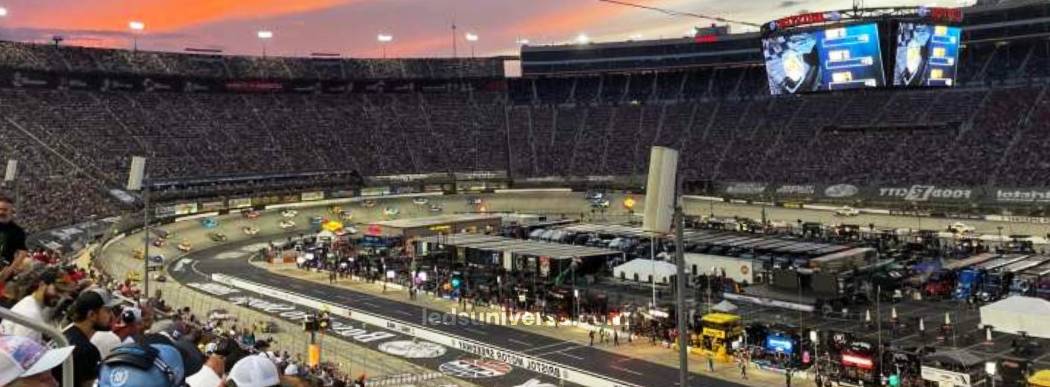
NASCAR tracks are distinct in their design and lighting needs, reflecting the unique nature of oval racing and the large scale of these venues. The lighting systems installed at NASCAR circuits must accommodate very high speeds, extensive race durations, and a wide array of stakeholders including drivers, pit crews, spectators, and broadcast teams.
Characteristics of NASCAR Tracks Influencing Lighting Design
NASCAR races predominantly occur on oval tracks, which can vary from short tracks under one mile to superspeedways exceeding two miles in length. These large surface areas require lighting that delivers bright, even illumination over vast distances, often including banked turns and varying elevations.
The continuous, high-speed nature of NASCAR racing places great emphasis on maintaining consistent lighting levels to avoid any visual distractions or hazards caused by fluctuating brightness or shadows. The scale of spectator areas also influences lighting needs, requiring supplemental lighting for stands and pedestrian zones.
Typical Illumination Levels for NASCAR Circuits
Lighting intensity at NASCAR tracks generally ranges between 800 and 1200 lux. This level balances the need for high visibility at fast speeds with energy efficiency and glare control.
The brightness must allow drivers to clearly see track markings, barriers, and other vehicles, especially when navigating turns or entering the pit lane at high velocity. These illumination levels also help support quick reaction times and reduce the risk of accidents.
Emphasis on Uniformity and Consistency
One of the main objectives in NASCAR track lighting is to achieve uniform illumination throughout the entire racing surface. Lighting designers work to prevent sudden changes in brightness that could impair driver perception or cause momentary disorientation.
This requires careful placement and angling of light fixtures, often mounted on tall poles or gantries spaced evenly around the circuit. The goal is to eliminate dark spots, shadows, and hotspots, providing a visually consistent environment for the duration of the race.
Specialized Lighting for Pit Lanes and Safety Zones
Pit lanes at NASCAR tracks are highly active areas requiring enhanced lighting beyond the general track illumination. The brighter lighting here facilitates safe and efficient pit stops, allowing crews to perform tasks quickly and accurately even during night races.
Safety zones, including areas adjacent to barriers and emergency response points, also receive focused lighting to ensure rapid intervention if incidents occur.
Lighting for Spectator and Facility Areas
Large NASCAR venues accommodate tens of thousands of spectators. Proper illumination of grandstands, walkways, parking lots, and concession areas contributes to overall event safety and visitor comfort.
Lighting systems in these areas are designed to provide sufficient brightness without causing glare that might affect the racing surface or drivers’ vision. These installations often operate on separate control systems from the track lighting, allowing for tailored management.
Use of LED Technology in NASCAR Lighting
Modern NASCAR tracks increasingly utilize LED lighting technology, which offers multiple advantages over older lighting methods such as metal halide or high-pressure sodium lamps.
LEDs deliver superior energy efficiency, reducing power consumption despite high lux levels. Their long lifespan decreases maintenance requirements, and the ability to control light output precisely allows for fine-tuning brightness and minimizing light pollution.
Instant on/off capability and dimming features provide operational flexibility, useful during practice sessions, qualifying, and race events.
Glare Control and Visual Comfort
Excessive glare can distract drivers or reduce their ability to discern critical visual information on the track.
Lighting fixtures are often equipped with optics and shields to direct light precisely onto the racing surface and avoid spillover into drivers’ eyes. The high mounting points and specific beam angles help reduce direct exposure to bright light sources.
Integration with Broadcast Requirements
NASCAR races attract large television audiences, necessitating lighting that supports high-definition broadcast quality. The lighting system must provide flicker-free illumination with accurate color rendering, ensuring that cameras capture the race clearly without visual distortion.
Consistent spectral output and controlled brightness levels contribute to a visually appealing and professional broadcast presentation.
Maintenance and Reliability for Long Race Events
Given the extended duration of NASCAR events and the potential for multiple race days, lighting systems are designed with reliability in mind. Regular maintenance and inspections help sustain consistent lighting performance and prevent outages during critical moments.
Redundancy features and backup power sources may be implemented to maintain uninterrupted illumination throughout race weekends.
Additional Considerations for Race Track Lighting
Beyond the basic illumination levels measured in lux or foot-candles, other factors shape race track lighting performance. The color rendering index (CRI) influences how accurately colors appear under artificial light, affecting driver ability to distinguish flags, markings, and signals.
Glare control is important to prevent light from shining directly into drivers’ eyes, which can cause discomfort and reduce reaction times. Lighting fixtures are often designed with shields or optics to direct light precisely where it is needed.
Light distribution patterns must ensure that the entire track surface is evenly lit without dark patches or hotspots. This requires careful positioning and angling of fixtures, as well as consideration of track geometry.
Modern LED systems offer lower power usage and longer lifespans compared to traditional lamps, helping to reduce operational costs for race track facilities.
Summary Remarks
Comparing the illumination needs reveals that Formula 1 circuits often require the highest lux levels due to the extreme speeds and global broadcast standards. Endurance races emphasize steady and reliable lighting for continuous operation over 24 hours. NASCAR tracks demand bright, uniform lighting across wide ovals to maintain driver awareness and support extensive race distances. Go-kart tracks, operating at lower speeds and on smaller footprints, utilize lighting that balances safety and cost efficiency.
Understanding the concepts of lux and foot-candles provides a foundation for appreciating how lighting requirements are established. These units describe light intensity on surfaces, helping designers specify and evaluate lighting systems that enhance safety, performance, and media quality. The choice of appropriate illumination levels depends on vehicle speed, track layout, required visual detail, and broadcast conditions.